
 Italiano
 English
From:
13.60 €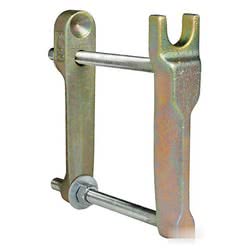
From:
210.10 €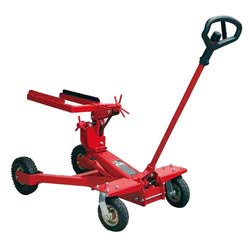
From:
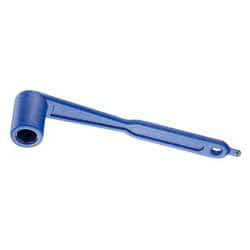
802.90 €When working on your boat's propeller, using the right tools is essential. A universal propeller puller or a specific propeller wrench not only simplifies the propeller removal process but also prevents costly damage to the driveshaft and the propeller itself. Trying to improvise with unsuitable tools can strip the shaft, leading to high repair costs. The right tools, on the other hand, ensure quick, safe, and precise removal, even when dealing with propellers seized by corrosion or salt buildup.
For particularly stubborn propellers, gently heating the hub area with a heat gun can facilitate removal. It is crucial to avoid using open flames, which could damage the propeller or other engine components.
The propeller is a crucial component of the propulsion system and is subject to continuous stress. A periodic inspection of the blade condition (looking for deformations, cracks, or corrosion), the hub, and the retaining nut is essential to prevent more serious problems. A damaged propeller can cause excessive vibration, increased fuel consumption, reduced performance, and, in the worst case, engine damage. Using our propeller pullers and wrenches allows you to perform these checks quickly and easily.
The choice between a universal puller and a specific wrench depends on your needs. Universal pullers offer greater versatility, adapting to different engine models and propeller sizes. Specific wrenches, on the other hand, are designed for a specific type of propeller nut, ensuring a perfect grip and greater safety during propeller removal. Carefully evaluate the characteristics of your engine and propeller to choose the most suitable tool.
Complete your onboard equipment with essential accessories such as durable fenders and a reliable spare anchor for your safety at sea.
The wrench size required for the propeller nut is usually indicated in the engine or propeller manual. Alternatively, you can measure the width of the nut with a caliper or ruler. Be sure to use the correct size wrench to avoid damaging the nut or driveshaft.
Universal pullers are designed to fit many engines, but it is always advisable to check compatibility with your specific engine model. Check the dimensions of the shaft and propeller hub and compare them with the puller's specifications. If in doubt, consult our technical support team.
Yes, it is advisable to use a water-resistant marine grease to protect the driveshaft from corrosion and facilitate propeller removal in the future. Apply the grease to the shaft before installing the propeller and periodically check the condition of the grease, reapplying if necessary.
If the propeller is particularly stuck, you can try gently heating the hub area with a heat gun. Avoid using open flames. You can also apply a penetrating lubricant to the contact area between the propeller and the driveshaft and let it act for a few hours. If the propeller remains stuck, consult a specialized mechanic.
Using a torque wrench allows you to tighten the propeller nut to the correct torque, avoiding over-tightening (with the risk of damaging the driveshaft) or under-tightening (with the risk of the nut loosening during navigation). Consult the engine or propeller manual to find the recommended torque.
The wrench size required for the propeller nut is usually indicated in the engine or propeller manual. Alternatively, you can measure the width of the nut with a caliper or ruler. Be sure to use the correct size wrench to avoid damaging the nut or driveshaft.
Universal pullers are designed to fit a wide range of engines, but it is always advisable to check compatibility with your specific engine model. Check the dimensions of the shaft and propeller hub and compare them with the puller's specifications. If in doubt, consult our technical support team.
Yes, it is advisable to use a water-resistant marine grease to protect the driveshaft from corrosion and facilitate propeller removal in the future. Apply the grease to the shaft before installing the propeller and periodically check the condition of the grease, reapplying if necessary.
If the propeller is particularly stuck, you can try gently heating the hub area with a heat gun. Avoid using open flames. You can also apply a penetrating lubricant to the contact area between the propeller and the driveshaft and let it act for a few hours. If the propeller remains stuck, consult a specialized mechanic.
Using a torque wrench allows you to tighten the propeller nut to the correct torque, avoiding over-tightening (with the risk of damaging the driveshaft) or under-tightening (with the risk of the nut loosening during navigation). Consult the engine or propeller manual to find the recommended torque.
90% of the orders are shipped within 24H. Have a look at the availability and shipment time in the product page
We work on boating since 1982. You will find experienced and polite staff
You can choose between Paypal, Credit Card, Postepay and Transfer
We only use packaging from recycled material within our own store