Italiano
 English
From:
121.00 €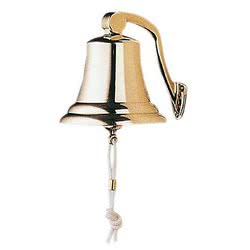
From:
53.30 €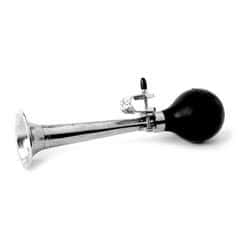
From:
10.30 €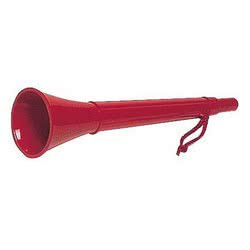
From:
5.14 €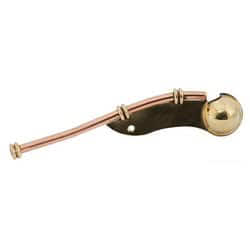
From:
12.10 €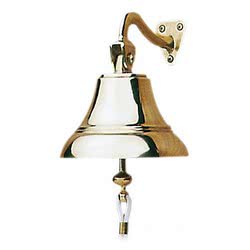
From:
37.90 €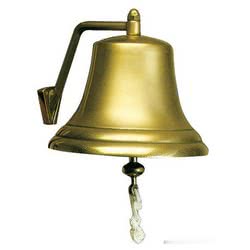
From:
229.80 €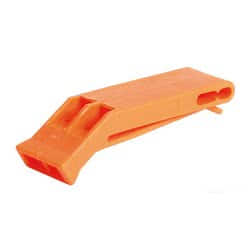
From:
0.46 €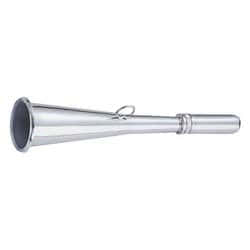
From:
39.90 €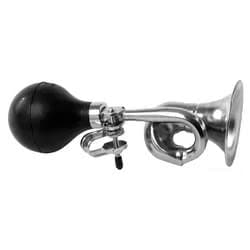
From:
14.50 €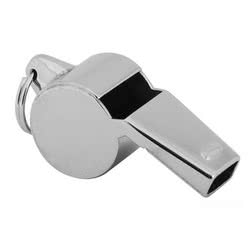
From:
22.90 €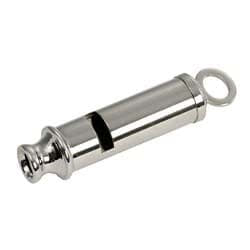
From:
19.60 €Safety at sea is a top priority, especially in conditions of poor visibility. In dense fog or reduced visibility, an efficient sound signaling device becomes essential to signal your presence to other vessels. Whether you prefer a traditional chrome-plated brass pear-shaped horn, a solemn nautical bell, or a practical portable whistle, Nautica Basile offers you the essential tools to navigate safely.
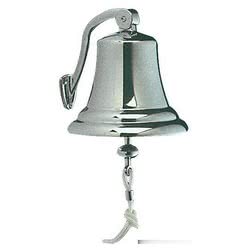
The nautical bells available in this section are made of high-quality brass, often chrome-plated for greater resistance to corrosion caused by the marine environment. We offer various sizes, with mouth diameters ranging from 100 to 175 mm, to suit the needs of every boat. Remember that, to be considered safety equipment on board, the bells must comply with current regulations.
The pear-shaped horns, available in both straight and curved versions, represent a practical and manageable alternative, particularly suitable for inflatable boats and small boats. Their ease of use makes them reliable in any situation. The fog whistles, made of durable plastic, are the most economical and compact solution, ideal as emergency equipment to always keep at hand.
Choosing the most suitable sound signaling device depends on the size of your boat and local regulations. Before purchasing, always verify that the chosen model is approved and complies with the provisions of law. Nautica Basile offers you only certified and high-quality products.
Complete your safety equipment with our self-inflating life jackets and lifebuoys, for even safer navigation.
The pear-shaped horn is a manual device that works by blowing, offering reliability even in the absence of electrical power. The electric horn, on the other hand, is powered by the boat's battery and produces a more powerful and constant sound, ideal for larger boats.
The regulations require a fog bell for boats over 12 meters in length. For smaller boats, another efficient sound signaling device, such as an approved horn or whistle, is sufficient.
To preserve the shine of a brass bell, it is advisable to clean it regularly with a soft cloth and a specific product for cleaning brass. Avoid using abrasive detergents that could scratch the surface and compromise its appearance.
The minimum sound range required for an approved nautical horn varies based on the size of the boat. International regulations establish specific levels of sound intensity (measured in decibels) that must be respected to ensure that the acoustic signal is audible at a sufficient distance in conditions of poor visibility.
The specific regulations on the use of sound signaling devices at sea are contained in the International Regulations for Preventing Collisions at Sea (COLREGs) and in the national laws that implement it. It is advisable to consult the official publications of the maritime authorities of your country to know the current provisions.
The pear-shaped horn is a manual device that works by blowing, offering reliability even in the absence of electrical power. The electric horn, on the other hand, is powered by the boat's battery and produces a more powerful and constant sound, ideal for larger boats.
The regulations require a fog bell for boats over 12 meters in length. For smaller boats, another efficient sound signaling device, such as an approved horn or whistle, is sufficient.
To preserve the shine of a brass bell, it is advisable to clean it regularly with a soft cloth and a specific product for cleaning brass. Avoid using abrasive detergents that could scratch the surface and compromise its appearance.
The minimum sound range required for an approved nautical horn varies based on the size of the boat. International regulations establish specific levels of sound intensity (measured in decibels) that must be respected to ensure that the acoustic signal is audible at a sufficient distance in conditions of poor visibility.
The specific regulations on the use of sound signaling devices at sea are contained in the International Regulations for Preventing Collisions at Sea (COLREGs) and in the national laws that implement it. It is advisable to consult the official publications of the maritime authorities of your country to know the current provisions.
90% of the orders are shipped within 24H. Have a look at the availability and shipment time in the product page
We work on boating since 1982. You will find experienced and polite staff
You can choose between Paypal, Credit Card, Postepay and Transfer
We only use packaging from recycled material within our own store