
 Italiano
 English
From:
140.90 €
From:
145.50 €
From:
283.60 €
From:
58.00 €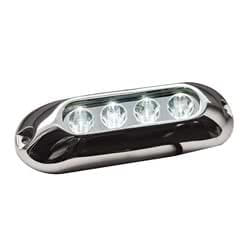
From:
168.40 €
From:
185.70 €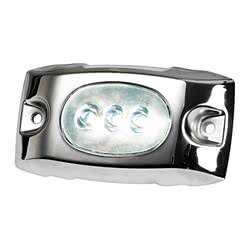
From:
61.40 €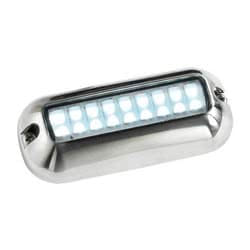
From:
20.50 €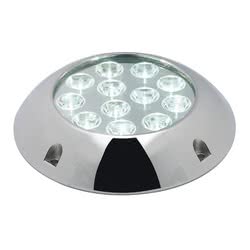
From:
236.00 €
From:
16.60 €
From:
38.80 €
From:
91.00 €
From:
252.70 €
From:
92.20 €
From:
340.60 €
From:
36.20 €
From:
95.60 €
From:
205.30 €
From:
389.70 €
From:
419.40 €
From:
559.20 €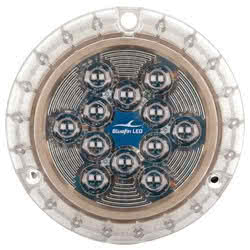
From:
780.80 €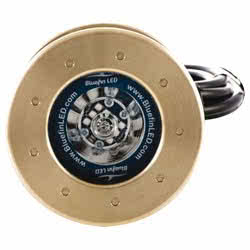
From:
1305.70 €
From:
64.00 €Yes, but it is essential to electrically isolate the light from the hull to avoid galvanic corrosion. Use insulating gaskets and verify that the grounding is correct.
Watts (W) indicate energy consumption, while lumens (lm) measure the amount of light emitted. For the same number of lumens, an LED light consumes fewer watts than a traditional light.
Use a specific marine silicone, resistant to salt water and UV rays. Avoid acetic silicones, which can corrode metals.
Excessive or unnatural colored lighting can disturb marine life. It is advisable to use lights with adjustable intensity and colors that mimic natural light (warm white or soft blue) and limit the lighting time.
Choose lights made of AISI 316 stainless steel or other corrosion-resistant materials. Regularly apply a specific protective coating for stainless steel and periodically check the condition of the seals and wiring.
Yes, underwater lights are suitable for both saltwater and freshwater. However, it is important to ensure that they are completely waterproof and corrosion-resistant, regardless of the type of water.
The maximum depth of use varies depending on the model. Always check the manufacturer's specifications before submerging the lights. In general, underwater lights are designed to withstand high pressures, but it is important to respect the indicated limits to avoid damage.
90% of the orders are shipped within 24H. Have a look at the availability and shipment time in the product page
We work on boating since 1982. You will find experienced and polite staff
You can choose between Paypal, Credit Card, Postepay and Transfer
We only use packaging from recycled material within our own store