
 Italiano
 English
From:
18.70 €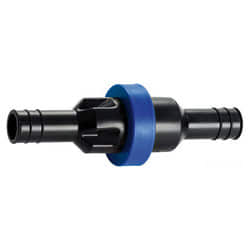
From:
15.90 €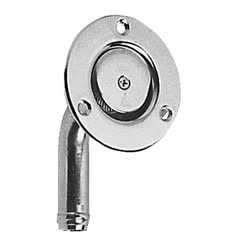
From:
21.10 €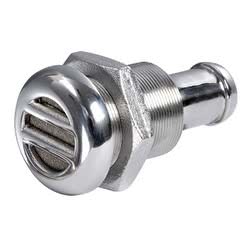
From:
19.20 €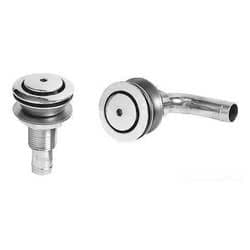
From:
28.20 €
From:
19.50 €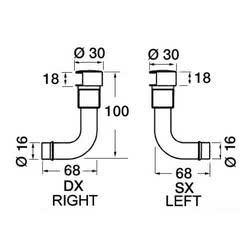
From:
19.30 €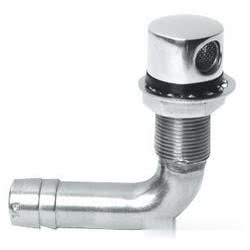
From:
20.50 €
From:
15.50 €
From:
7.83 €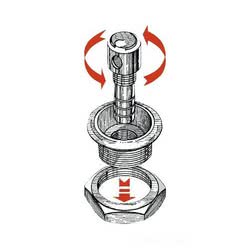
From:
7.81 €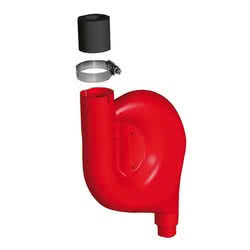
From:
56.70 €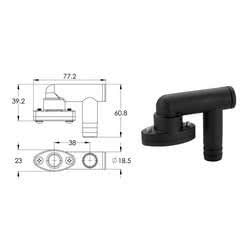
From:
5.90 €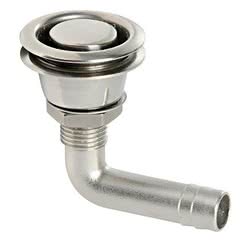
From:
26.50 €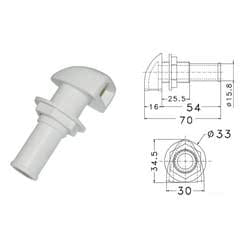
From:
3.96 €
From:
35.20 €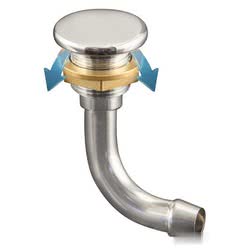
From:
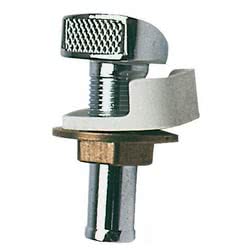
25.00 €The fuel tank vent is a critical component of your fuel system. It allows the tank to breathe, preventing vacuum or overpressure caused by temperature changes or fuel consumption. An efficient vent system prevents tank damage and ensures a constant flow of fuel to the engine. The models you find here are suitable for both gasoline and diesel tanks.
We offer vents in marine-grade stainless steel, resistant to corrosion, and in high-quality plastics. Available in various diameters (from 16 to 20 mm) and fitting types (straight, 90 degrees). Some models feature a vapor lock to prevent fuel spillage in case of heeling or capsize. Always check the diameter of your tank's vent hose before ordering.
A clogged fuel tank vent can cause engine fuel starvation, especially in modern diesel engines. If you notice a drop in performance or difficulty starting, check the vent. Failure to maintain the vent can also cause damage to the tank itself, resulting in fuel leaks.
Complete your fuel system with our fuel caps and certified fuel hoses.
If the vent is clogged, a vacuum is created inside the tank, preventing fuel from flowing properly to the engine. This can cause starting difficulties, power loss, and, in extreme cases, damage to the tank itself.
The most common symptoms are starting difficulties, engine power loss, strange noises coming from the tank (such as hissing or suction), and, in some cases, deformation of the tank itself. If in doubt, it is advisable to have the fuel system checked by a qualified mechanic.
Generally, yes, many vents are compatible with both gasoline and diesel. However, it is always a good idea to check the manufacturer's specifications to ensure that the chosen model is suitable for the type of fuel used. Some gasoline-specific models may have different features to manage vapors.
There is no standard replacement interval. The life of the vent depends on environmental conditions, fuel quality, and the frequency of boat use. It is advisable to visually inspect the vent at least once a year and replace it if it shows signs of wear, corrosion, or damage.
If the vent is clogged, a vacuum is created inside the tank, preventing fuel from flowing properly to the engine. This can cause starting difficulties, power loss, and, in extreme cases, damage to the tank itself.
The most common symptoms are starting difficulties, engine power loss, strange noises coming from the tank (such as hissing or suction), and, in some cases, deformation of the tank itself. If in doubt, it is advisable to have the fuel system checked by a qualified mechanic.
Generally, yes, many vents are compatible with both gasoline and diesel. However, it is always a good idea to check the manufacturer's specifications to ensure that the chosen model is suitable for the type of fuel used. Some gasoline-specific models may have different features to manage vapors.
There is no standard replacement interval. The life of the vent depends on environmental conditions, fuel quality, and the frequency of boat use. It is advisable to visually inspect the vent at least once a year and replace it if it shows signs of wear, corrosion, or damage.
90% of the orders are shipped within 24H. Have a look at the availability and shipment time in the product page
We work on boating since 1982. You will find experienced and polite staff
You can choose between Paypal, Credit Card, Postepay and Transfer
We only use packaging from recycled material within our own store