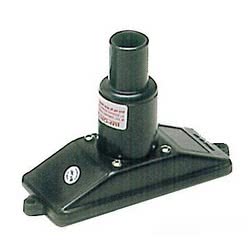
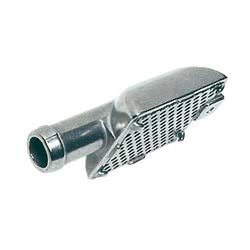
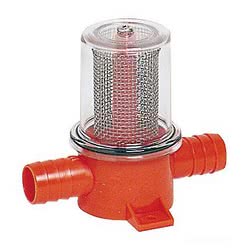
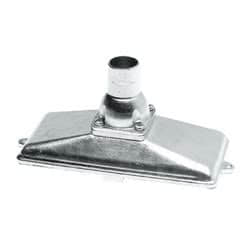
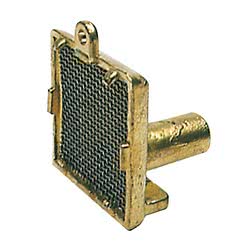
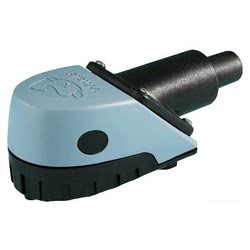
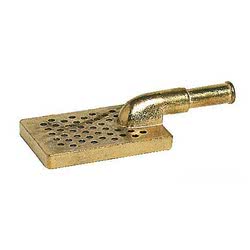
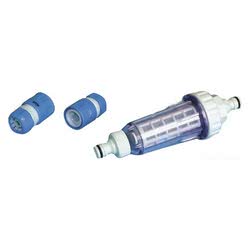
Sea strainers and water filters are critical components for ensuring the proper and long-lasting operation of your boat's onboard water system. The sea strainer, strategically positioned at the end of the intake hose, acts as a first line of defense, preventing the entry of large debris that could damage the pump. Inline filters, installed upstream of the pump, offer additional protection, trapping smaller impurities like sand, algae, and rust that could damage the impeller or clog the pipes, compromising the efficiency of the entire system.
Nautica Basile offers sea strainers made from various materials, including brass, bronze, AISI 316 stainless steel (renowned for its exceptional corrosion resistance, especially in marine environments), and nylon. The choice of the most appropriate material depends on the operating environment, the frequency of planned maintenance, and the available budget. Brass and bronze sea strainers represent a more economical solution but require more frequent periodic cleaning to prevent the build-up of limescale and algae. AISI 316 stainless steel, on the other hand, guarantees greater durability and superior corrosion resistance, reducing the need for maintenance. Nylon offers a good compromise between cost, lightness, and impact resistance.
Our inline water filters are available with different filtration grades, allowing you to choose the level of protection best suited to your specific needs. A filter with a filtration grade that's too fine could reduce the pump's flow rate, while a filter with a filtration grade that's too coarse might not offer adequate protection against the smallest impurities. It's crucial to always verify the filter's compatibility with your pump, taking into account the flow rate and operating pressure. We offer hose tail fittings with diameters ranging from 3 to 19 mm to accommodate various hose sizes. Consider adding a faucet water filter or a water purifier filter to your system for drinking water.
Basile Workshop Tip
- Visual Inspection: Regularly inspect the sea strainer and water filter for obstructions, encrustations, or damage.
- Periodic Cleaning: Thoroughly clean the sea strainer and water filter at least once a year, or more frequently if you navigate in particularly dirty or murky waters. Use a soft brush and a mild detergent to remove any debris or encrustations.
- Replacement: Replace the water filter every 2-3 years, or sooner if you notice a significant reduction in the pump's flow rate or if the filter appears damaged or deteriorated.
- Compatibility: Always verify the compatibility of the sea strainer and water filter with your pump and water system. Make sure the fittings are the correct size and that the materials are suitable for the water they will come into contact with.
- Materials: Choose corrosion-resistant materials, especially if you navigate in saltwater. AISI 316 stainless steel is an excellent choice for its durability and resistance.
Remember to pair your sea strainer and water filter with suitable hoses for transporting potable water or seawater. You can find everything in the section dedicated to
hoses and hydraulic fittings.
Why isn't my boat's pump drawing water?
There can be several causes: a clogged sea strainer, a blocked filter, a damaged suction hose, a worn pump impeller, air in the circuit, or a problem with the pump's power supply. Check each component, starting from the sea strainer and working your way up to the pump.
How do I clean my boat's sea strainer?
Disassemble the sea strainer and remove any debris with a brush or a jet of water. If necessary, immerse it in a solution of water and vinegar to dissolve limescale. Rinse thoroughly with fresh water before reassembling it.
Which sea strainer should I choose: brass, stainless steel, or nylon?
The brass sea strainer is the most economical, suitable for light-duty use and clean water. AISI 316 stainless steel offers maximum corrosion resistance, ideal for seawater and heavy-duty use. Nylon is a good alternative, lightweight and impact-resistant, but less corrosion-resistant than stainless steel.
How often should I replace my boat's water filter?
The frequency of water filter replacement depends on several factors, including the water quality in which you navigate, the frequency of pump use, and the type of filter used. In general, it is recommended to replace the filter every 2-3 years, or more frequently if you notice a reduction in the pump's flow rate or if the water appears cloudy. Consider a drinking water filter for clean, safe water.
Why isn't my boat's pump drawing water?
There can be several causes: a clogged sea strainer, a blocked filter, a damaged suction hose, a worn pump impeller, or air in the circuit. Check each component, starting from the sea strainer and working your way up to the pump.
How do I clean my boat's sea strainer?
Disassemble the sea strainer and remove any debris with a brush or a jet of water. If necessary, immerse it in a solution of water and vinegar to dissolve limescale. Rinse thoroughly with fresh water before reassembling it.
Which sea strainer should I choose: brass, stainless steel, or nylon?
The brass sea strainer is the most economical, suitable for light-duty use and clean water. AISI 316 stainless steel offers maximum corrosion resistance, ideal for seawater and heavy-duty use. Nylon is a good alternative, lightweight and impact-resistant.
How often should I replace my boat's water filter?
The frequency of water filter replacement depends on several factors, including the water quality in which you navigate, the frequency of pump use, and the type of filter used. In general, it is recommended to replace the filter every 2-3 years, or more frequently if you notice a reduction in the pump's flow rate or if the water appears cloudy.

 Italiano
 English