Italiano
 English
From:
44.80 €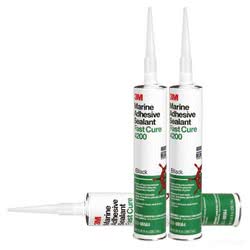
From:
18.70 €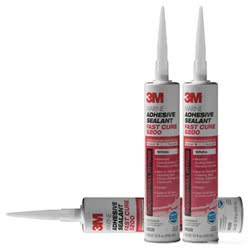
From:
49.30 €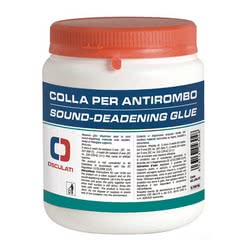
From:
14.20 €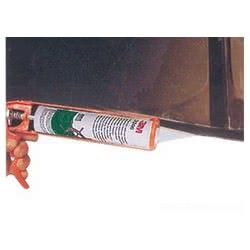
From:
21.00 €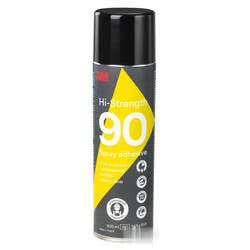
From:
35.10 €
From:
31.30 €
From:
12.20 €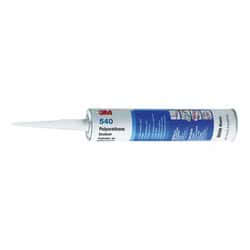
From:
11.45 €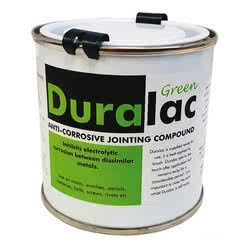
From:
48.40 €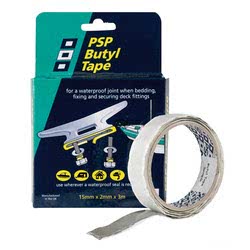
From:
14.70 €From sealing through-hull fittings to securing deck hardware, choosing the right sealant or adhesive is crucial. An unsuitable product can fail due to saltwater, vibrations, and temperature fluctuations, leading to leaks and structural damage. We offer only products from official suppliers, with clear technical data sheets and detailed instructions.
Marine-Grade Silicone: UV and saltwater resistant, ideal for portholes, hatches, and plumbing connections. Neutral-cure silicones won't corrode metals and are also suitable for aluminum applications.
Structural Adhesives: For strong and durable bonds. Two-part epoxy adhesives are perfect for structural repairs and bonding fiberglass, wood, and metal. Adebond cyanoacrylate adhesive is suitable for quick, small repairs.
Butyl Sealing Tapes: For a watertight and flexible seal. Ideal for application on irregular surfaces and for sealing joints and fittings. PSP Marine Tapes butyl tape guarantees a perfect seal even in extreme conditions.
For through-hull fittings, it is advisable to use a neutral-cure silicone that is resistant to seawater and UV rays. Avoid acetic silicones, which can corrode metals. A polyurethane silicone, such as those offered by 3M, is an excellent solution.
To remove old silicone, you can use a plastic scraper or a silicone-specific solvent. Soften the silicone with the solvent and then gently scrape it away. Avoid using metal objects that could scratch the surface.
Absolutely. Duralac is a protective paste that prevents galvanic corrosion between dissimilar metals. It is ideal for isolating stainless steel bolts on aluminum, for example.
You probably used a low-quality sealant or one that was not suitable for the application. Make sure you use a sealant specifically for marine use that is resistant to UV rays and temperature fluctuations. Also, make sure the surfaces were clean and dry before application.
For through-hull fittings, it is advisable to use a neutral-cure silicone that is resistant to seawater and UV rays. Avoid acetic silicones, which can corrode metals. A polyurethane silicone, such as those offered by 3M, is an excellent solution.
To remove old silicone, you can use a plastic scraper or a silicone-specific solvent. Soften the silicone with the solvent and then gently scrape it away. Avoid using metal objects that could scratch the surface.
Absolutely. Duralac is a protective paste that prevents galvanic corrosion between dissimilar metals. It is ideal for isolating stainless steel bolts on aluminum, for example.
You probably used a low-quality sealant or one that was not suitable for the application. Make sure you use a sealant specifically for marine use that is resistant to UV rays and temperature fluctuations. Also, make sure the surfaces were clean and dry before application.
90% of the orders are shipped within 24H. Have a look at the availability and shipment time in the product page
We work on boating since 1982. You will find experienced and polite staff
You can choose between Paypal, Credit Card, Postepay and Transfer
We only use packaging from recycled material within our own store