
 Italiano
 English
From:
18.90 €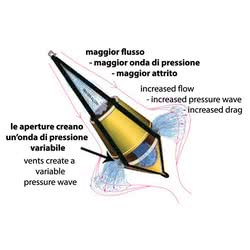
From:
225.30 €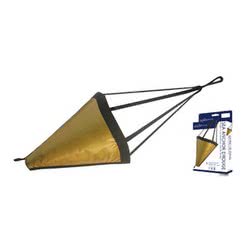
From:
21.90 €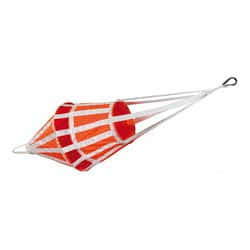
From:
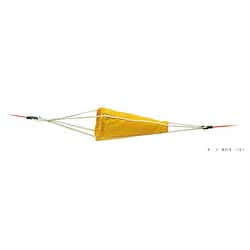
165.60 €A floating anchor is a crucial piece of safety equipment, designed to provide hydrodynamic resistance and stabilize your boat. Unlike a traditional anchor, it doesn't fix to the seabed but creates a counter-force to drift, keeping the bow into the wind and reducing speed. This is particularly useful in situations of rudder failure, heavy seas, or strong winds, preventing the boat from being beam-on to the waves, minimizing the risk of dangerous rolling and potential capsizing. These stabilizing anchors are essential for peace of mind.
Choosing the right floating anchor depends on the size of your boat and the typical environmental conditions you encounter. Oceansouth and Burke models, available at Nautica Basile, are manufactured with high-quality materials, guaranteeing strength and durability even in extreme conditions. The size of the floating anchor, measured in mouth width and length, must be proportional to the length of the boat for optimal effectiveness.
The tow rope is a fundamental element: it must be long enough to allow the anchor to work correctly and strong enough to withstand the high stresses. Nautica Basile recommends using high-quality nylon or polyester ropes, with a breaking load appropriate to the size of the boat and the expected sailing conditions. Regularly check the rope for any signs of wear or damage.
Complete your safety equipment with the right accessories! Discover our selection of strong and reliable mooring lines and our self-inflating life jackets for 360-degree safety.
The choice of floating anchor mainly depends on the length of your boat. Consult the manufacturer's specification table to identify the most suitable model. Also, consider the typical weather conditions in your sailing areas: in areas with strong winds and rough seas, a larger model may be necessary.
The length of the rope should be at least 5-7 times the expected wave length. This allows the floating anchor to work effectively and absorb shocks. Always use a high-quality rope, resistant to abrasion and UV rays.
After each use, rinse the floating anchor with fresh water to remove salt and dirt. Regularly check for any damage or wear. Store the anchor in a dry, ventilated place, away from direct sunlight.
If the floating anchor is damaged during use, it is important to repair or replace it immediately. A damaged floating anchor may not be able to perform its function correctly in an emergency. Contact Nautica Basile to find a replacement part or a replacement model.
The choice of floating anchor mainly depends on the length of your boat. Consult the manufacturer's specification table to identify the most suitable model. Also, consider the typical weather conditions in your sailing areas: in areas with strong winds and rough seas, a larger model may be necessary.
The length of the rope should be at least 5-7 times the expected wave length. This allows the floating anchor to work effectively and absorb shocks. Always use a high-quality rope, resistant to abrasion and UV rays.
After each use, rinse the floating anchor with fresh water to remove salt and dirt. Regularly check for any damage or wear. Store the anchor in a dry, ventilated place, away from direct sunlight.
If the floating anchor is damaged during use, it is important to repair or replace it immediately. A damaged floating anchor may not be able to perform its function correctly in an emergency. Contact Nautica Basile to find a replacement part or a replacement model.
The size of the floating anchor depends on the length of the boat and the typical weather conditions in the sailing area. In general, for boats up to 6 meters, a model with a mouth of 60-80 cm is sufficient. For larger boats, up to 12 meters, a model with a mouth of 100-135 cm is recommended. Always consult the manufacturer's specifications.
Attach the floating anchor to a sturdy rope and lower it into the sea from the bow. Make sure the rope is long enough to allow the anchor to work properly. Periodically check the rope and anchor to make sure there are no signs of wear.
In emergency situations, a floating anchor can be used as a sea parachute to slow the boat's speed and keep it stable. However, it is important to remember that it is not specifically designed for this purpose and may not be effective in all conditions.
90% of the orders are shipped within 24H. Have a look at the availability and shipment time in the product page
We work on boating since 1982. You will find experienced and polite staff
You can choose between Paypal, Credit Card, Postepay and Transfer
We only use packaging from recycled material within our own store