
 Italiano
 English
From:
0.10 €
From:
0.11 €
From:
6.09 €
From:
0.66 €
From:
5.87 €
From:
0.16 €
From:
0.29 €
From:
0.56 €
From:
0.57 €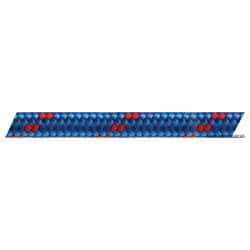
From:
0.46 €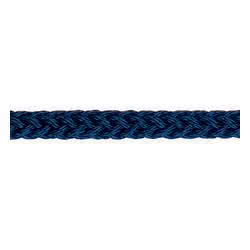
From:
1.42 €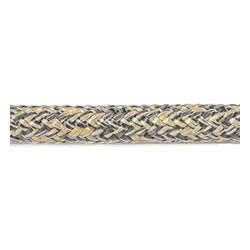
From:
2.67 €In the world of boating, choosing the right nautical ropes, sailing sheets, and hair braids can be the difference between smooth sailing and a potential breakdown. Nautica Basile offers solutions ranging from polyester ropes for mooring to double-braided sheets for sails, and specialized braids for various onboard uses. Each product is selected to ensure maximum strength, long-lasting durability, and optimal performance.
Our selection includes:
Careful consideration should be given to the choice of diameter and breaking strength. An undersized rope can fail under stress, while an oversized one can be unwieldy. Consult load tables and always choose a certified product.
Saltwater and UV rays are the main enemies of ropes. To preserve their lifespan, it is essential to:
Extra tip: Always use stainless steel thimbles to protect rope eyes from wear caused by shackles and snap hooks. You can find them in the Splicing and Rope Accessories section.
3-strand ropes are more economical and suitable for general uses such as mooring. Double-braided ropes offer greater strength and lower elongation, ideal for sailing sheets and halyards.
The diameter depends on the sail area and the type of boat. In general, smaller diameters (6-8 mm) are used for light dinghies, while larger boats require up to 12-14 mm or more. Always consult the sail manufacturer's specifications.
Breaking strength is the maximum weight a rope can withstand before breaking. It is a fundamental safety factor and should always be considered when choosing a rope.
It depends on the material. Polypropylene ropes float, while polyester or nylon ropes sink. A floating rope is recommended for lifebuoys or man overboard situations.
Soak the ropes in lukewarm water with a neutral detergent. Let it sit for a few hours, then rinse thoroughly with fresh water and let it dry in the shade.
3-strand ropes are more economical and suitable for general uses such as mooring. Double-braided ropes offer greater strength and lower elongation, ideal for sailing sheets and halyards.
The diameter depends on the sail area and the type of boat. In general, smaller diameters (6-8 mm) are used for light dinghies, while larger boats require up to 12-14 mm or more. Always consult the sail manufacturer's specifications.
Breaking strength is the maximum weight a rope can withstand before breaking. It is a fundamental safety factor and should always be considered when choosing a rope.
It depends on the material. Polypropylene ropes float, while polyester or nylon ropes sink. A floating rope is recommended for lifebuoys or man overboard situations.
Soak the ropes in lukewarm water with a neutral detergent. Let it sit for a few hours, then rinse thoroughly with fresh water and let it dry in the shade.
90% of the orders are shipped within 24H. Have a look at the availability and shipment time in the product page
We work on boating since 1982. You will find experienced and polite staff
You can choose between Paypal, Credit Card, Postepay and Transfer
We only use packaging from recycled material within our own store