
 Italiano
 English

From:
196.60 €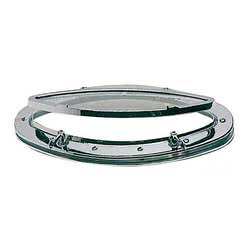
From:
255.20 €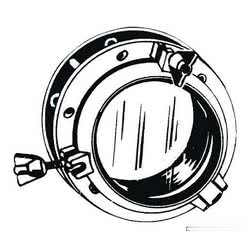
From:
80.20 €
From:
535.60 €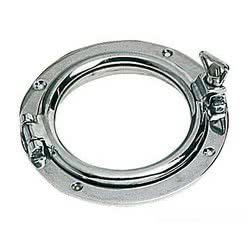
From:
139.80 €
From:
287.90 €Replacing a portlight or boat hatch isn't just about aesthetics; it's a necessity for your boat's safety. A portlight that doesn't seal properly is a potential entry point for water, especially in rough seas. Regularly inspect the condition of the seals and the effectiveness of the locking mechanism. While a chrome-plated brass portlight can add a touch of elegance, it requires more frequent maintenance than nylon or stainless steel alternatives.
When choosing a boat hatch, it's important to consider the fiberglass thickness and the desired opening mechanism (friction hinge, slam latch, flush, etc.). Models with friction hinges offer greater stability in strong winds, but require more internal space for full opening. Flush hatches, on the other hand, offer a more modern and less obtrusive design.
Another factor to consider is the material. AISI 316 stainless steel is the ideal choice for its high resistance to marine corrosion, ensuring long-lasting performance. Nylon is a more economical alternative, yet still resistant to weathering and UV rays.
For a professional-grade replacement, use a high-quality marine sealant to prevent water leaks. Take the opportunity to also check the condition of your windshield wipers and other accessories on your boat.
Chrome-plated brass offers an elegant look but requires regular cleaning to prevent oxidation. Stainless steel (AISI 316) is more resistant to marine corrosion and requires less maintenance, but generally has a higher cost.
Accurately measure the diameter of the existing hole (both inside and outside), the hull thickness, and the internally available space for the portlight's profile. Carefully compare these measurements with the technical specifications of the new portlight or boat hatch.
Absolutely. Make sure the portlight is specifically approved for marine use and is able to withstand the stresses of wind and waves. Portlights for sailboats must have a robust locking system and ensure a perfect watertight seal.
Regularly clean your portlights and boat hatches with fresh water and a neutral detergent to remove salt and dirt. Periodically lubricate the hinges and locking mechanisms with a lubricant specifically designed for marine environments. Regularly check the condition of the seals and replace them if necessary.
A boat hatch offers a wider opening than a portlight, facilitating access to the interior of the boat for ventilation or maintenance operations. In addition, some boat hatch models are equipped with locking systems that prevent accidental opening while underway.
AISI 316 indicates a type of austenitic stainless steel containing molybdenum, which increases its resistance to corrosion, especially in marine environments containing chlorides. It is considered one of the best stainless steels for nautical applications.
Chrome-plated brass offers an elegant look but requires regular cleaning to prevent oxidation. Stainless steel (AISI 316) is more resistant to marine corrosion and requires less maintenance, but generally has a higher cost.
Accurately measure the diameter of the existing hole (both inside and outside), the hull thickness, and the internally available space for the portlight's profile. Carefully compare these measurements with the technical specifications of the new portlight or boat hatch.
Absolutely. Make sure the portlight is specifically approved for marine use and is able to withstand the stresses of wind and waves. Portlights for sailboats must have a robust locking system and ensure a perfect watertight seal.
Regularly clean your portlights and boat hatches with fresh water and a neutral detergent to remove salt and dirt. Periodically lubricate the hinges and locking mechanisms with a lubricant specifically designed for marine environments. Regularly check the condition of the seals and replace them if necessary.
A boat hatch offers a wider opening than a portlight, facilitating access to the interior of the boat for ventilation or maintenance operations. In addition, some boat hatch models are equipped with locking systems that prevent accidental opening while underway.
AISI 316 indicates a type of austenitic stainless steel containing molybdenum, which increases its resistance to corrosion, especially in marine environments containing chlorides. It is considered one of the best stainless steels for nautical applications.
90% of the orders are shipped within 24H. Have a look at the availability and shipment time in the product page
We work on boating since 1982. You will find experienced and polite staff
You can choose between Paypal, Credit Card, Postepay and Transfer
We only use packaging from recycled material within our own store