
 Italiano
 English
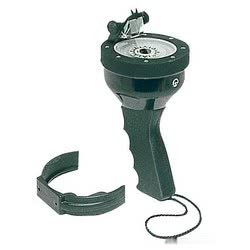
From:
114.80 €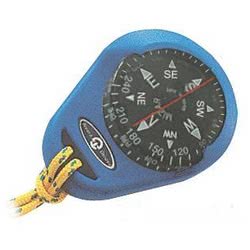
From:
41.60 €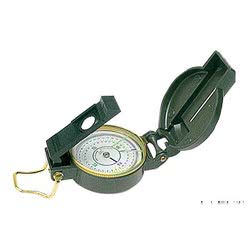
From:
18.60 €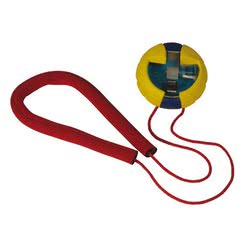
From:
149.90 €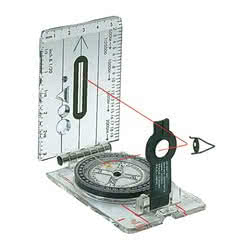
From:
16.50 €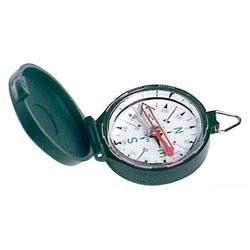
From:
10.30 €
From:
17.50 €A handheld compass is a vital navigation tool, particularly in emergencies or when electronic instruments fail. Whether it's a simple trekking compass for basic orientation or a more sophisticated bearing compass for coastal navigation, having an analog reference point onboard is always a smart move.
Bearing compasses allow you to determine your position by measuring angles relative to known landmarks ashore. Riviera and Vion models offer precision and robustness, featuring easy-to-read graduated compass roses and accurate sighting systems.
Unlike electronic compasses, handheld compasses require no power and are immune to electromagnetic interference. This makes them reliable instruments even in extreme conditions. Plus, their compact size makes them easy to stow and transport. A great choice as a hiking compass or orientation compass.
A tip: always check the compass's calibration and protect it from impacts and heat sources.
Complete your onboard equipment with a good pair of marine binoculars and an up-to-date set of nautical charts. Don't rely solely on electronics!
A handheld compass is generally smaller and more compact, suitable for basic orientation. A bearing compass, on the other hand, is equipped with more precise sighting systems, allowing you to measure angles and bearings with greater accuracy. The latter is ideal for coastal navigation and chart work.
To determine your position with a bearing compass, you need to identify at least two known landmarks ashore (e.g., lighthouses, bell towers, headlands). Measure the angles between the bow of the boat and each of these points, obtaining the so-called bearings. Plotting these bearings on a nautical chart will give you the boat's position at the intersection of the bearing lines.
Analog compasses are independent of electrical power, immune to electromagnetic interference, and generally more robust and reliable in extreme conditions. They are therefore an excellent alternative or complement to electronic compasses, especially in emergencies.
Magnetic deviation is the error caused by the presence of metallic objects on board that influence the magnetic field of the compass. To calculate it, compare the bearing of a known point with the bearing indicated by the compass. The difference between the two values represents the deviation. It is important to compile a deviation table for different heading directions and correct it regularly.
A handheld compass is generally smaller and more compact, suitable for basic orientation. A bearing compass, on the other hand, is equipped with more precise sighting systems, allowing you to measure angles and bearings with greater accuracy. The latter is ideal for coastal navigation and chart work.
To determine your position with a bearing compass, you need to identify at least two known landmarks ashore (e.g., lighthouses, bell towers, headlands). Measure the angles between the bow of the boat and each of these points, obtaining the so-called bearings. Plotting these bearings on a nautical chart will give you the boat's position at the intersection of the bearing lines.
Analog compasses are independent of electrical power, immune to electromagnetic interference, and generally more robust and reliable in extreme conditions. They are therefore an excellent alternative or complement to electronic compasses, especially in emergencies.
Magnetic deviation is the error caused by the presence of metallic objects on board that influence the magnetic field of the compass. To calculate it, compare the bearing of a known point with the bearing indicated by the compass. The difference between the two values represents the deviation. It is important to compile a deviation table for different heading directions and correct it regularly.
90% of the orders are shipped within 24H. Have a look at the availability and shipment time in the product page
We work on boating since 1982. You will find experienced and polite staff
You can choose between Paypal, Credit Card, Postepay and Transfer
We only use packaging from recycled material within our own store