,

Plastic cleats

Buy plastic cleats for mooring RIBs and small boats at Nautica Basile. Lightweight, corrosion-resistant, and easy to install. Jam cleats available.

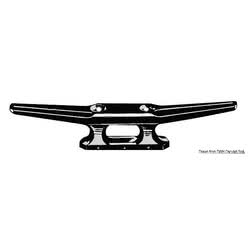
Belaying cleat

From:

0.81 €
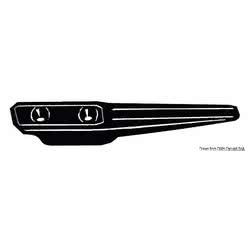
Jamming cleat

From:

2.34 €
Plastic cleats are an essential component for safe and reliable mooring of smaller vessels. Unlike metal cleats, they offer several advantages, making them particularly well-suited for RIBs, tenders, and small motorboats navigating in calm, sheltered waters.

Advantages of Plastic Cleats:
* Lightweight: Their reduced weight makes handling during installation and maintenance easier, helping to reduce the overall weight of your boat. They're also great for storing items like plastic bags, plastic containers, and plastic pouches when not in use.
* Corrosion Resistance: Plastic is inherently resistant to saltwater and weathering, ensuring long-lasting durability without the need for special treatments.
* Easy Installation: Plastic cleats are easily attached to the hull with bolts or screws, making installation quick and simple, even for those with limited experience. We recommend using marine sealant to prevent water ingress.
* Cost-Effective: Compared to metal cleats, plastic cleats offer a more economical alternative without compromising safety or reliability.

When to Choose Plastic Cleats?
Plastic cleats are ideal for RIBs, small motorboats, tenders, and dinghies. They are particularly suitable in situations where weight, corrosion resistance, and cost are key factors. However, it's important to consider that their strength is less than that of metal cleats, so they are not suitable for larger vessels or mooring in rough sea conditions.

Jam Cleats: What are they and when to use them?
Jam cleats feature a special shape that allows you to lock the mooring line without the need for complex knots. This system simplifies and speeds up mooring operations, making them particularly useful in situations where quick and secure attachment is required. They are perfect for temporary moorings or for those who want greater convenience.

The Advice from Officina Basile


  • Quality Control: Each cleat is carefully inspected before shipment to ensure maximum quality and conformity.

  • Technical Assistance: Have questions about compatibility or installation? Our team of experts is at your disposal to provide personalized technical assistance. Contact us!

  • Fast Shipping: Orders received by 12:00 PM are shipped the same day, ensuring fast and timely delivery.


A useful tip: for even more practical and safe mooring, combine plastic cleats with polypropylene mooring lines, which, thanks to their buoyancy, make recovery in the water easier.

How strong are plastic cleats?


The strength of plastic cleats varies depending on the model, the material used, and the dimensions. However, they are designed to withstand the typical stresses of mooring small boats under normal conditions. For larger boats or mooring in rough sea conditions, it is advisable to opt for metal cleats.


How are plastic cleats installed?


Installing plastic cleats is simple and requires the use of few tools. Simply drill holes in the hull at the mounting points and secure the cleat with stainless steel bolts or screws. It is essential to use a high-quality marine sealant to prevent water ingress and protect the hull from corrosion.


What size cleat should I choose for my boat?


The choice of cleat size depends on the size of the boat and the diameter of the mooring lines used. In general, it is advisable to choose a cleat that is proportionate to the size of the boat and that can comfortably accommodate the line, leaving enough space for a secure and easy attachment. Consult the product specifications for recommended dimensions.


Are plastic cleats suitable for mooring in difficult conditions?


Plastic cleats are best suited for mooring in calm, sheltered waters. In difficult conditions, such as rough seas or strong winds, it is preferable to use metal cleats, which offer greater strength and reliability. Safety at sea is always the priority!


Can I use plastic cleats for prolonged mooring?


Yes, plastic cleats can be used for prolonged mooring in calm sea conditions. However, it is important to inspect them regularly to ensure that they show no signs of wear or damage. If in doubt, it is always advisable to replace them to ensure maximum safety.

How strong are plastic cleats?

The strength depends on the model and material, but they are suitable for mooring small boats under normal conditions. For more demanding situations, it is better to opt for metal cleats.

How are plastic cleats installed?

Installation is simple: just drill holes in the hull and secure the cleat with bolts and marine sealant. Make sure the surface is clean and dry before proceeding.

What size cleat should I choose for my boat?

The size depends on the size of the boat and the thickness of the lines. Choose a cleat that is proportionate to your boat and that can comfortably accommodate the mooring lines.

Are plastic cleats suitable for mooring in difficult conditions?

For mooring in difficult conditions (rough seas, strong winds), it is advisable to use metal cleats, which offer greater strength. Plastic cleats are more suitable for mooring in calm, sheltered waters.

Can I use plastic cleats for prolonged mooring?

Yes, plastic cleats can be used for prolonged mooring in calm sea conditions. However, it is important to inspect them regularly to ensure that they show no signs of wear or damage.

Subscribe our newsletter

Subscribe to our newsletter to keep up to date with the latest news.

Fast Shipment

90% of the orders are shipped within 24H. Have a look at the availability and shipment time in the product page

Boating professionals

We work on boating since 1982. You will find experienced and polite staff

Secure payments

You can choose between Paypal, Credit Card, Postepay and Transfer

Recycled packaging

We only use packaging from recycled material within our own store