
 Italiano
 English
From:
5.11 €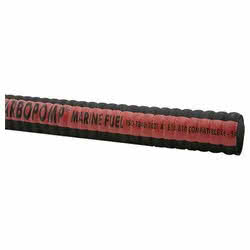
From:
49.40 €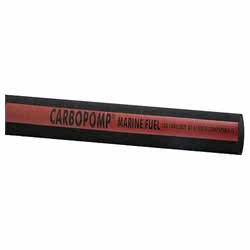
From:
5.90 €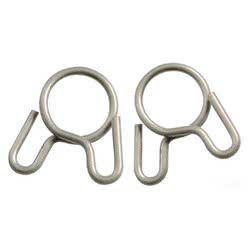
From:
0.60 €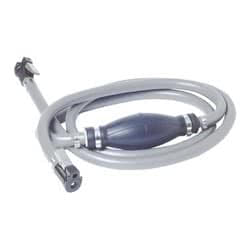
From:
20.90 €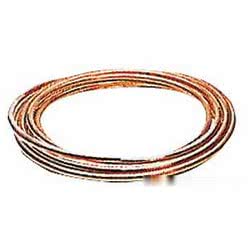
From:
17.40 €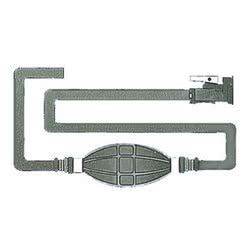
From:
15.60 €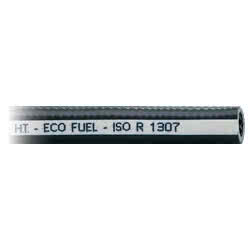
From:
1.99 €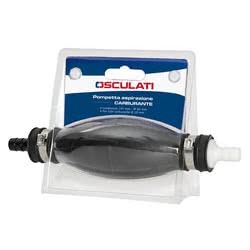
From:
8.36 €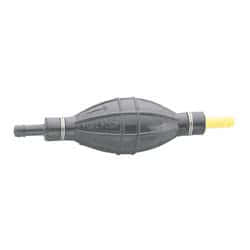
From:
6.43 €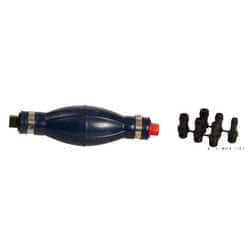
From:
10.90 €
From:
2.35 €Choosing the right fuel hose is crucial for engine safety and efficiency. An unsuitable hose can cause leaks, pressure drops, and in the worst cases, fires. At Nautica Basile, you'll find only approved and certified hoses, tested to withstand the harsh marine environment.
We stock spiral-reinforced PVC fuel lines, ideal for their flexibility and resistance to the elements, and copper fuel lines, perfect for more complex installations and high-temperature resistance. We also offer a range of fuel primer bulbs, essential for starting the engine and maintaining pressure in the fuel system.
Compatibility is key! Always check the internal and external diameter of the hose, the working pressure, and the type of fuel it supports. An incorrect choice can compromise engine performance. Ensure you select the correct gasoline hose for your application.
The fuel hose is a component subject to wear and tear. Continuous engine vibrations, temperature fluctuations, and exposure to the elements can deteriorate it over time. Regularly inspect the condition of your fuel line and replace it if you notice:
A fuel line in poor condition can cause serious engine problems, even leading to failure. Don't neglect maintenance and replace your fuel hose every 2-3 years, even if there are no obvious signs of wear. Consider upgrading to a premium gasoline hose for extended lifespan.
Don't compromise on safety! Always choose approved and certified fuel hoses, made from high-quality materials. A cheap hose might seem like a good idea, but it could cost you dearly in the long run.
Complete your fuel system with our stainless steel fittings and hose clamps. You'll find everything you need for a safe and efficient system. Browse our selection of fuel line components today!
The diameter of the fuel hose depends on the engine power and the length of the fuel line. Consult your engine manual for the recommended specifications. In general, smaller engines use hoses with an internal diameter of 8-10 mm, while larger engines may require hoses with a larger diameter.
To clean your fuel hose, you can use a specific fuel system cleaner. Disconnect the hose and immerse it in the product for the time indicated on the packaging. Rinse thoroughly with water and dry with compressed air. Avoid using harsh solvents that could damage the hose.
Absolutely not. There are different types of fuel hoses, made of different materials and with specific characteristics. RINA and ISO 7840 approved hoses are designed to withstand the marine environment and ensure maximum safety. Avoid using non-fuel-specific hoses, such as water or compressed air hoses.
The diameter of the fuel hose depends on the engine power and the length of the fuel line. Consult your engine manual for the recommended specifications. In general, smaller engines use hoses with an internal diameter of 8-10 mm, while larger engines may require hoses with a larger diameter.
To clean your fuel hose, you can use a specific fuel system cleaner. Disconnect the hose and immerse it in the product for the time indicated on the packaging. Rinse thoroughly with water and dry with compressed air. Avoid using harsh solvents that could damage the hose.
Absolutely not. There are different types of fuel hoses, made of different materials and with specific characteristics. RINA and ISO 7840 approved hoses are designed to withstand the marine environment and ensure maximum safety. Avoid using non-fuel-specific hoses, such as water or compressed air hoses.
90% of the orders are shipped within 24H. Have a look at the availability and shipment time in the product page
We work on boating since 1982. You will find experienced and polite staff
You can choose between Paypal, Credit Card, Postepay and Transfer
We only use packaging from recycled material within our own store