Italiano
 English
The replacement of the lower unit oil seals depends greatly on the engine's usage and environmental conditions. In general, it is advisable to visually inspect them at least once a year and replace them every 2-3 years, or sooner if oil leaks are noticed.
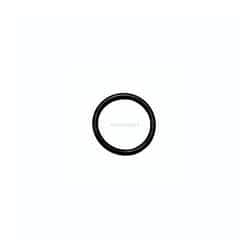
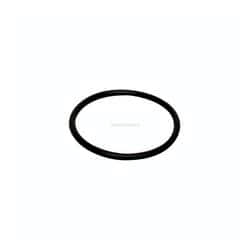
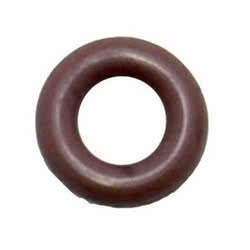
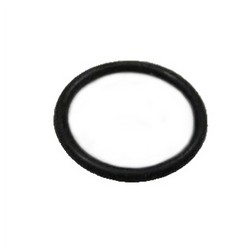
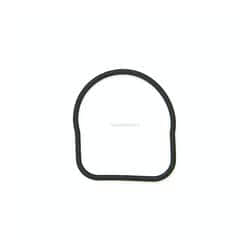
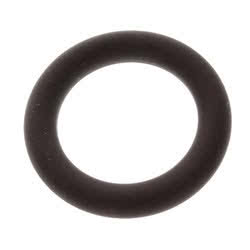
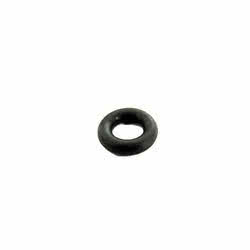
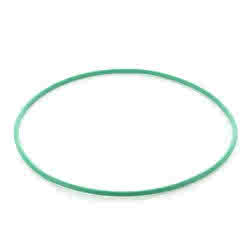
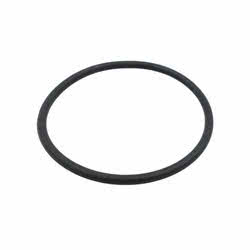
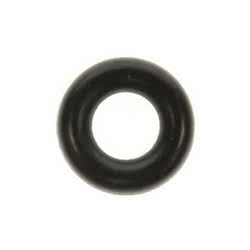
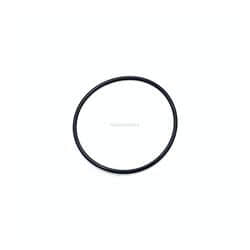
It is strongly discouraged. Original O-rings are made of specific materials to withstand the temperatures, pressure, and chemicals present in the engine. A generic O-ring may not be compatible and may cause leaks or more significant damage.
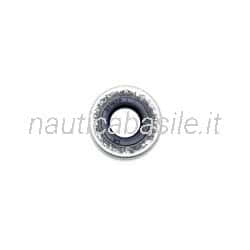
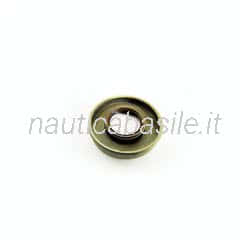
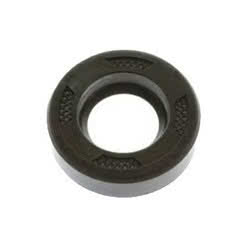
Signs of a defective oil seal include visible oil leaks, oil stains under the engine, a rapidly decreasing lower unit oil level, and, in some cases, abnormal noises coming from the lower unit.
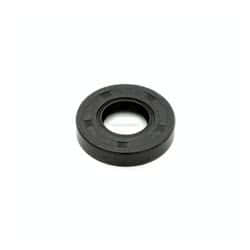
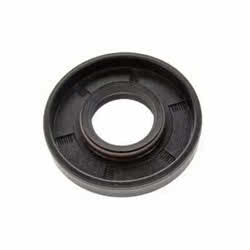
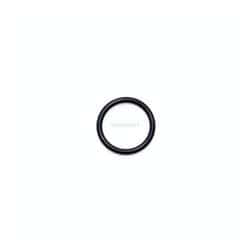
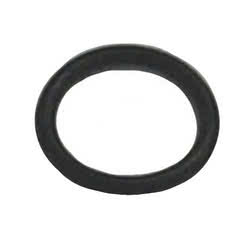
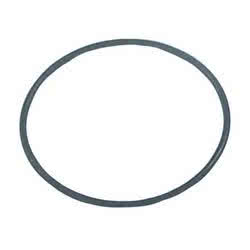
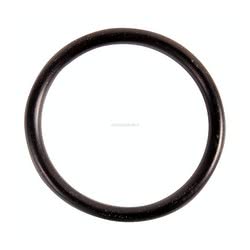
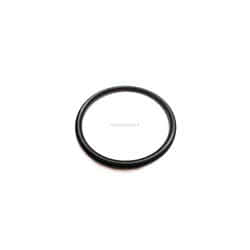
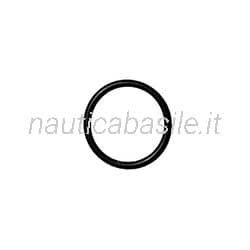
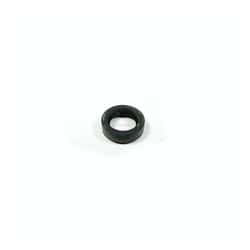
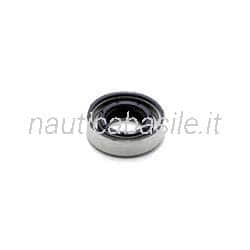
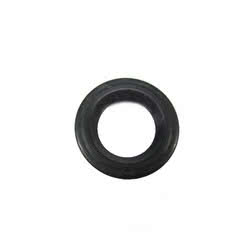
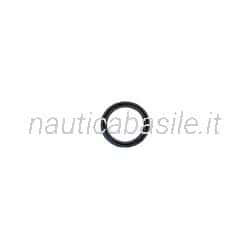
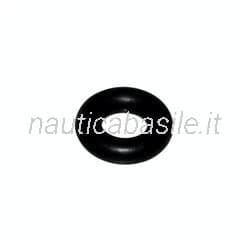
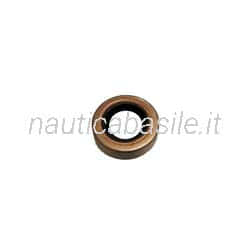
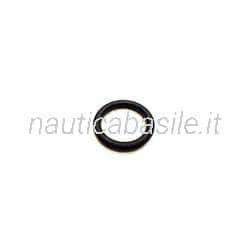
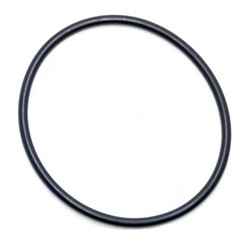
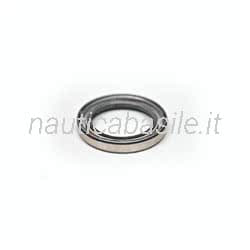
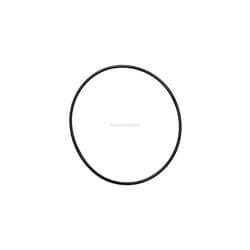
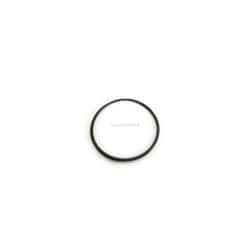
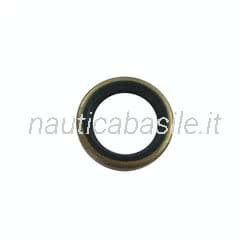
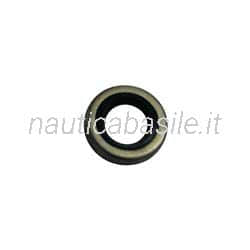
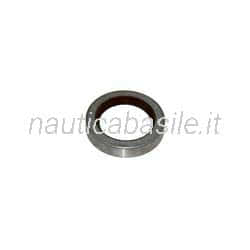
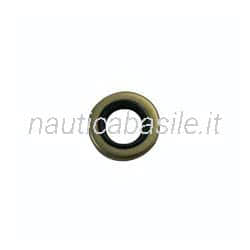
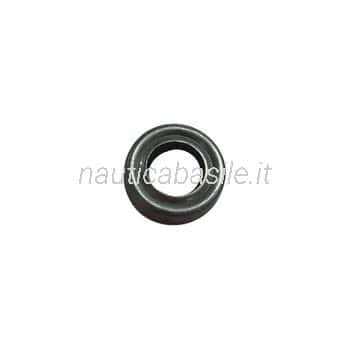
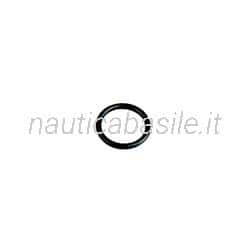
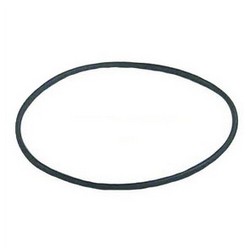
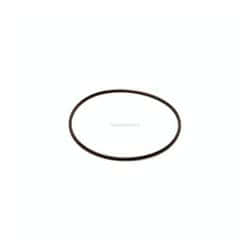
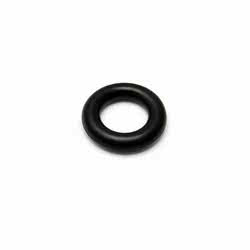
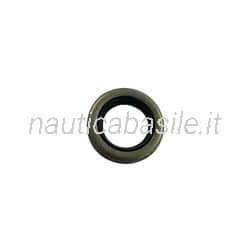
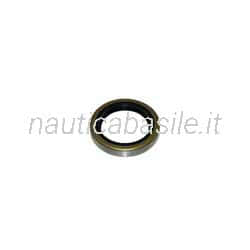
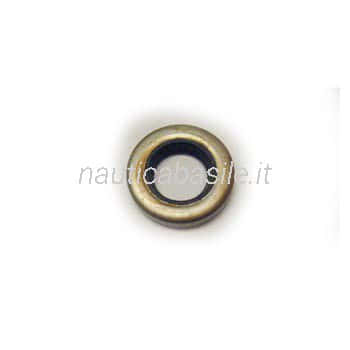
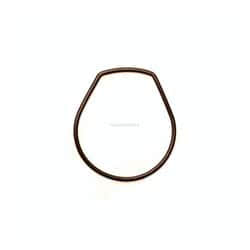
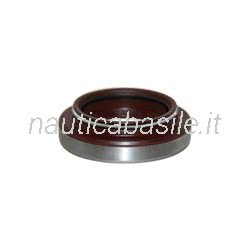
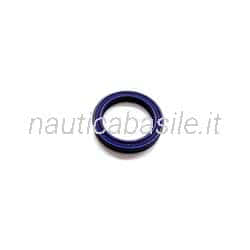
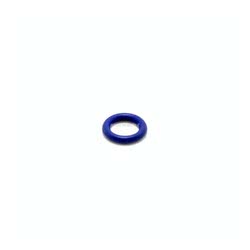
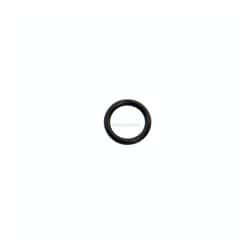
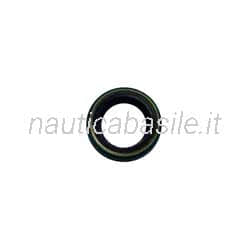
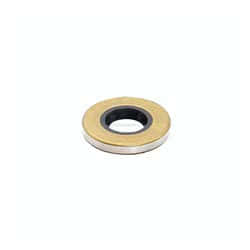
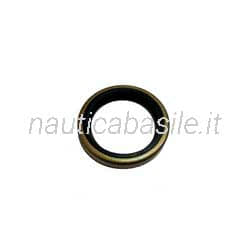
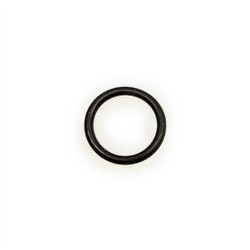
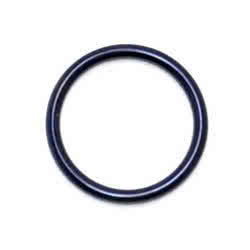
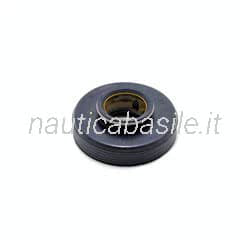
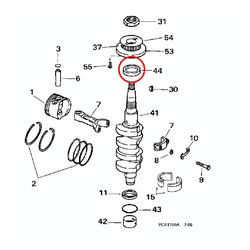
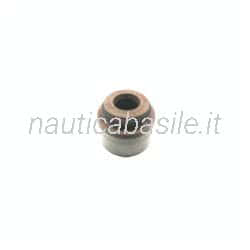
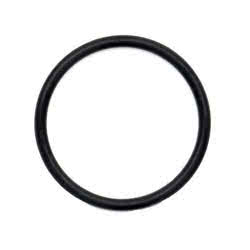
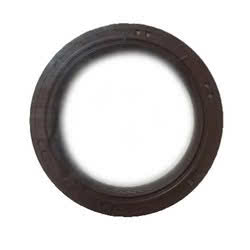
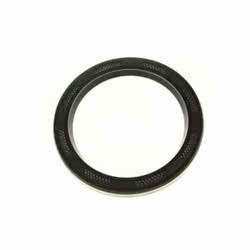
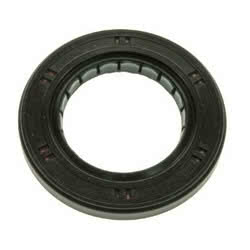
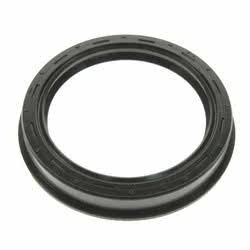
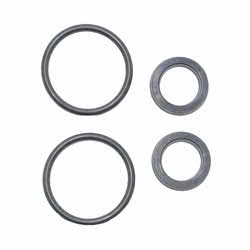
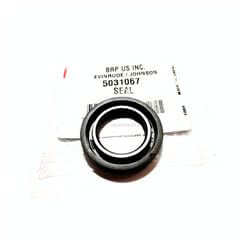
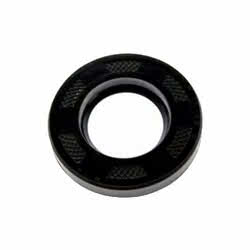
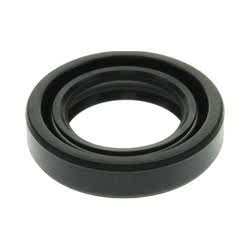
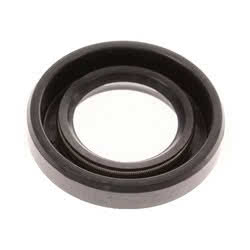
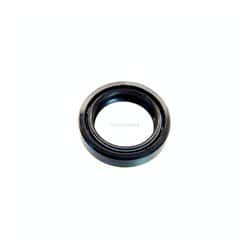
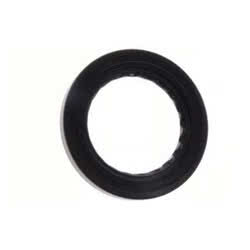
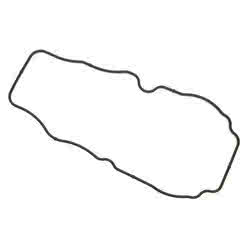
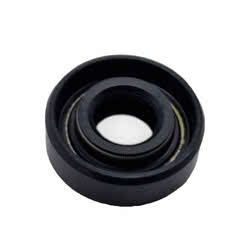
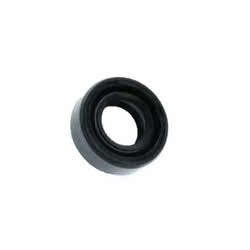
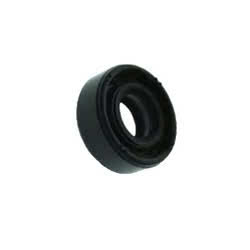
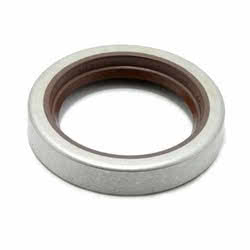
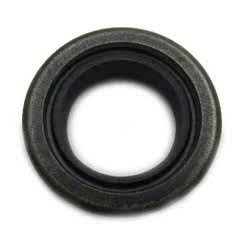
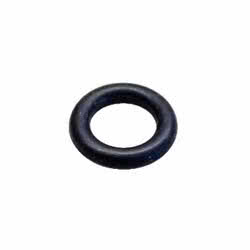
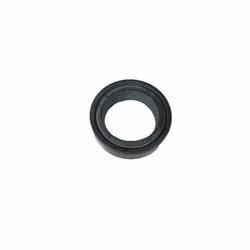
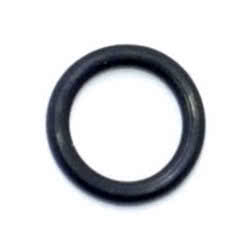
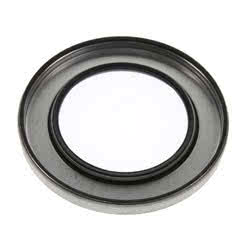
An O-ring is a ring-shaped seal used to seal between two static surfaces. An oil seal, on the other hand, is designed to seal between a static and a rotating surface, such as a crankshaft. Both are essential to prevent leaks.
If you don't replace a defective oil seal, oil can leak out, causing insufficient lubrication and damage to the internal engine components. This can lead to costly repairs or, in the worst case, engine failure.
Replacing oil seals can be done yourself if you have experience and the right tools. However, if you are unsure, it is advisable to contact a qualified mechanic to avoid damaging the engine.
It is advisable to use a grease specifically designed for oil seals, resistant to water and chemicals present in the engine. This will help protect the oil seal and ensure an optimal seal.
The replacement of the lower unit oil seals depends greatly on the engine's usage and environmental conditions. In general, it is advisable to visually inspect them at least once a year and replace them every 2-3 years, or sooner if oil leaks are noticed.
It is strongly discouraged. Original O-rings are made of specific materials to withstand the temperatures, pressure, and chemicals present in the engine. A generic O-ring may not be compatible and may cause leaks or more significant damage.
Signs of a defective oil seal include visible oil leaks, oil stains under the engine, a rapidly decreasing lower unit oil level, and, in some cases, abnormal noises coming from the lower unit.
An O-ring is a ring-shaped seal used to seal between two static surfaces. An oil seal, on the other hand, is designed to seal between a static and a rotating surface, such as a crankshaft. Both are essential to prevent leaks.
If you don't replace a defective oil seal, oil can leak out, causing insufficient lubrication and damage to the internal engine components. This can lead to costly repairs or, in the worst case, engine failure.
Replacing oil seals can be done yourself if you have experience and the right tools. However, if you are unsure, it is advisable to contact a qualified mechanic to avoid damaging the engine.
It is advisable to use a grease specifically designed for oil seals, resistant to water and chemicals present in the engine. This will help protect the oil seal and ensure an optimal seal.
90% of the orders are shipped within 24H. Have a look at the availability and shipment time in the product page
We work on boating since 1982. You will find experienced and polite staff
You can choose between Paypal, Credit Card, Postepay and Transfer
We only use packaging from recycled material within our own store