
 Italiano
 English
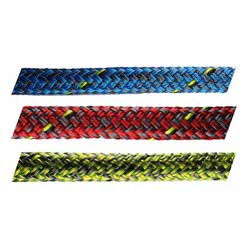
From:
8.59 €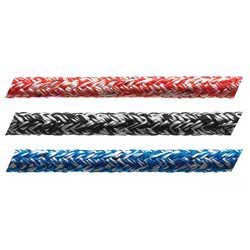
From:
3.69 €
From:
3.09 €Le cime in poliestere sono più economiche e offrono una buona resistenza all'abrasione e ai raggi UV, rendendole adatte per scotte e cime d'ormeggio. Le cime in Dyneema, d'altra parte, sono estremamente resistenti alla trazione (a parità di diametro) e hanno un allungamento molto basso, il che le rende ideali per drizze e scotte dove precisione e reattività sono fondamentali.
Per prolungare la vita delle tue cime, è essenziale lavarle regolarmente con acqua dolce per rimuovere sale e sporco. Evita di esporle alla luce solare diretta per periodi prolungati, che può danneggiare le fibre, e utilizza protezioni anti-sfregamento nelle zone di attrito, come le guaine protettive.
Per l'ormeggio, consigliamo cime in poliestere a treccia o a doppia treccia. Queste cime offrono una buona elasticità per assorbire gli urti causati dal moto ondoso e sono resistenti all'abrasione e all'acqua salata. Scegli un diametro adeguato alle dimensioni della tua imbarcazione.
Il diametro corretto di una cima dipende dal carico di lavoro previsto e dalle dimensioni della tua imbarcazione. Consulta le tabelle di carico fornite dal produttore della cima e, in caso di dubbi, chiedi consiglio a un esperto di Nautica Basile. Un diametro insufficiente può compromettere la sicurezza, mentre un diametro eccessivo può rendere la cima difficile da maneggiare.
Polyester ropes are more economical and offer good abrasion and UV resistance. Dyneema ropes, on the other hand, are extremely strong in tension (for the same diameter) and have very low stretch, making them ideal for halyards and sheets where precision is critical.
Wash your ropes regularly with fresh water to remove salt and dirt. Avoid exposing them to direct sunlight for extended periods and use chafe protection in areas of friction.
For mooring, we recommend three-strand or double-braided polyester ropes. These ropes offer good elasticity to absorb shocks and are resistant to abrasion and salt water.
The correct diameter of a rope depends on the expected working load and the size of your boat. Consult the load tables provided by the rope manufacturer and, if in doubt, seek advice from a Nautica Basile expert. An insufficient diameter can compromise safety, while an excessive diameter can make the rope difficult to handle.
Although Dyneema ropes are extremely strong, they are not the ideal choice for mooring. Their rigidity and high cost make them less suitable than polyester ropes, which offer greater elasticity and better value for this application.
The frequency with which you should replace your ropes depends on several factors, including the intensity of use, environmental conditions, and the type of material. In general, it is advisable to regularly inspect the ropes for signs of wear, such as fraying, abrasions, or discoloration. If you notice significant damage, it is best to replace the rope immediately. As a general rule, ropes used frequently should be replaced every 2-3 years, while those used less frequently may last longer.
90% of the orders are shipped within 24H. Have a look at the availability and shipment time in the product page
We work on boating since 1982. You will find experienced and polite staff
You can choose between Paypal, Credit Card, Postepay and Transfer
We only use packaging from recycled material within our own store