
 Italiano
 English
From:
945.30 €
From:
988.20 €
From:
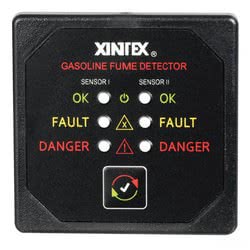
265.30 €Safety on your boat is a top priority, and gas and carbon monoxide (CO) detectors are a crucial element for crew protection. Leaks of propane or butane gas, or the presence of carbon monoxide, can have fatal consequences. A malfunctioning or absent detector can seriously endanger life on board. Xintex detectors, available at Nautica Basile, are specifically designed for the marine environment, ensuring resistance to vibrations, humidity, and the most demanding marine conditions.
Each Xintex gas and carbon monoxide detector model is calibrated with a specific alarm point, ensuring accurate and timely detection. Energy consumption is low (150-780 mA), preserving battery life. Some models offer the flexibility to connect a 6-meter extension cable, allowing you to position the sensor in strategic locations such as near the stove, generator, or in the cabin.
Important: Gas and carbon monoxide detector sensors have a limited lifespan (generally 5 years). It is essential to periodically check the device's operation and replace the sensor when necessary to ensure continuous protection. Nautica Basile offers a selection of original Xintex replacement sensors to keep your safety system always efficient.
A well-installed gas/CO detection system is an indispensable investment, but it does not replace good safety practices. Always ensure you have adequate ventilation on board. Before going to sleep, check for any suspicious odors and that the gas cylinders are properly closed. Prevention is key to safe boating.
For complete safety, supplement your gas and carbon monoxide detection system with an approved marine fire extinguisher and an efficient bilge pump. Nautica Basile offers everything you need for worry-free boating.
Xintex detectors are equipped with a built-in self-diagnostic function. Consult the user manual for your specific model carefully to learn the correct procedure. In general, it is recommended to test the detector at least once a month using a dedicated test gas canister (available separately).
Since propane/butane gas is heavier than air, the sensor should be positioned low, ideally near the floor or in the bilge. Make sure the sensor is not obstructed by objects or furniture that could prevent it from properly detecting gas leaks.
Carbon monoxide is slightly lighter than warm air, so the sensor should be positioned about 1.5 meters high, in an area where air circulates freely. Avoid placing it near heat sources, humidity, or in areas where it may be obstructed.
If the detector sounds the alarm, the first thing to do is evacuate the area immediately. Open all windows and hatches to ventilate the area. Once the area has been ventilated, try to locate the source of the gas or carbon monoxide leak. If you cannot locate the source or if you feel unwell, contact emergency services immediately.
The typical lifespan of a sensor for gas and carbon monoxide detectors is about 5 years. However, it is important to regularly check the manufacturer's manual for specific recommendations for your model. Replacing the sensor when it expires ensures that the detector functions properly and effectively protects your boat.
Xintex detectors are equipped with a built-in self-diagnostic function. Consult the user manual for your specific model carefully to learn the correct procedure. In general, it is recommended to test the detector at least once a month using a dedicated test gas canister (available separately).
Since propane/butane gas is heavier than air, the sensor should be positioned low, ideally near the floor or in the bilge. Make sure the sensor is not obstructed by objects or furniture that could prevent it from properly detecting gas leaks.
Carbon monoxide is slightly lighter than warm air, so the sensor should be positioned about 1.5 meters high, in an area where air circulates freely. Avoid placing it near heat sources, humidity, or in areas where it may be obstructed.
If the detector sounds the alarm, the first thing to do is evacuate the area immediately. Open all windows and hatches to ventilate the area. Once the area has been ventilated, try to locate the source of the gas or carbon monoxide leak. If you cannot locate the source or if you feel unwell, contact emergency services immediately.
The typical lifespan of a sensor for gas and carbon monoxide detectors is about 5 years. However, it is important to regularly check the manufacturer's manual for specific recommendations for your model. Replacing the sensor when it expires ensures that the detector functions properly and effectively protects your boat.
90% of the orders are shipped within 24H. Have a look at the availability and shipment time in the product page
We work on boating since 1982. You will find experienced and polite staff
You can choose between Paypal, Credit Card, Postepay and Transfer
We only use packaging from recycled material within our own store