Italiano
 English

From:
305.20 €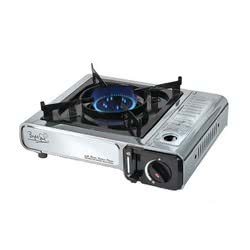
From:
80.10 €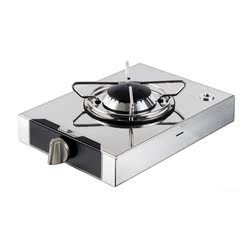
From:
170.70 €When space is limited onboard, a drop-in gas cooktop is a great way to cook without compromise. These compact, easy-to-install and clean appliances allow you to prepare a hot coffee in the morning or a steaming plate of pasta even while sailing. Their versatility makes them perfect for any type of boat.
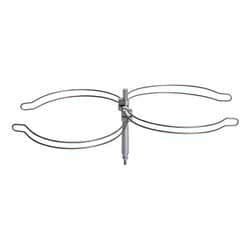
Models powered by cartridge are particularly suitable for day trips, fishing trips, and nautical camping, offering practicality and lightness. Instead, gas hob models with a cylinder connection guarantee greater autonomy, proving indispensable for longer cruises and for those who want to cook more elaborate meals on board. Don't forget the importance of pan holders: this often-underestimated accessory is essential to avoid unpleasant accidents due to the rolling and pitching of the boat.
Choosing the ideal gas stove top depends on several factors, including the space available in your galley and the number of people in the crew. A single burner model may be sufficient for a small crew or for those who rarely cook on board, while a double burner offers greater versatility and allows you to prepare complete meals more efficiently. It is essential to verify that the burner has adequate power (usually between 1000 and 1900 W) to ensure rapid heating and uniform cooking of food.
An important tip: always opt for models with CE certification and equipped with advanced safety systems, such as the device that automatically blocks the gas supply in the event of accidental flame extinguishing. Safety on board is never too much, especially when it comes to gas systems.
To guarantee the safety and durability of your gas hob, it is essential to carry out periodic maintenance. Before each use, carefully check the condition of the gas pipe and pressure regulator. Replace them periodically, following the manufacturer's instructions, to prevent leaks and malfunctions. Remember to always have a spare cylinder on board, so you never run out of gas during your adventures at sea.
To complete your on-board kitchen, discover our selection of marine refrigerators with compressors, designed to keep your food fresh and safe even during long voyages.
Technically it is possible, but strongly discouraged. Camping models are not designed to withstand the marine environment, characterized by salt and humidity, and could corrode quickly. Furthermore, they often lack the safety systems necessary for use on a boat.
For daily cleaning, use a specific stainless steel cleaner and a soft cloth. Avoid using abrasive sponges or aggressive products that could scratch the surface. For more stubborn dirt, you can try a delicate abrasive paste, rinsing thoroughly after application.
Always consult the instruction manual of your portable stove to check the type of gas cartridge recommended by the manufacturer. Most models use CP250 (butane/propane) type cartridges. Make sure you only use approved cartridges and store them in a cool, dry place, away from heat sources.
After each use, thoroughly clean the gas hob with a damp cloth to remove any salt residue. Periodically apply a specific stainless steel protector to create a barrier against corrosion. When not in use, cover the gas hob with a protective cover to preserve it from the elements.
The regulations vary depending on the country and the size of the boat. In general, it is advisable to rely on a qualified technician for the installation of gas systems on board, to ensure safety and compliance with current regulations. Contact the competent authorities to find out the specific requirements for your case.
In case of gas odor, immediately close the cylinder valve, open all windows and air vents to promote ventilation, and do not use electrical switches or devices that could generate sparks. Check for any leaks with a soapy solution and, if necessary, contact a specialized technician.
Technically it is possible, but strongly discouraged. Camping models are not designed to withstand the marine environment, characterized by salt and humidity, and could corrode quickly. Furthermore, they often lack the safety systems necessary for use on a boat.
For daily cleaning, use a specific stainless steel cleaner and a soft cloth. Avoid using abrasive sponges or aggressive products that could scratch the surface. For more stubborn dirt, you can try a delicate abrasive paste, rinsing thoroughly after application.
Always consult the instruction manual of your portable stove to check the type of gas cartridge recommended by the manufacturer. Most models use CP250 (butane/propane) type cartridges. Make sure you only use approved cartridges and store them in a cool, dry place, away from heat sources.
After each use, thoroughly clean the gas hob with a damp cloth to remove any salt residue. Periodically apply a specific stainless steel protector to create a barrier against corrosion. When not in use, cover the gas hob with a protective cover to preserve it from the elements.
The regulations vary depending on the country and the size of the boat. In general, it is advisable to rely on a qualified technician for the installation of gas systems on board, to ensure safety and compliance with current regulations. Contact the competent authorities to find out the specific requirements for your case.
In case of gas odor, immediately close the cylinder valve, open all windows and air vents to promote ventilation, and do not use electrical switches or devices that could generate sparks. Check for any leaks with a soapy solution and, if necessary, contact a specialized technician.
90% of the orders are shipped within 24H. Have a look at the availability and shipment time in the product page
We work on boating since 1982. You will find experienced and polite staff
You can choose between Paypal, Credit Card, Postepay and Transfer
We only use packaging from recycled material within our own store