
 Italiano
 English
From:
19.70 €
From:
122.10 €
From:
7.59 €
From:
385.90 €
From:
8.09 €
From:
50.50 €
From:
24.90 €
From:
25.90 €
From:
60.70 €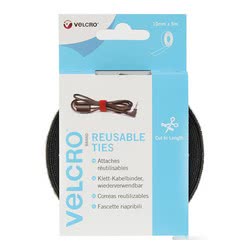
From:
9.95 €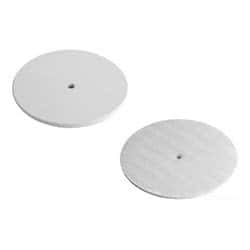
From:
0.40 €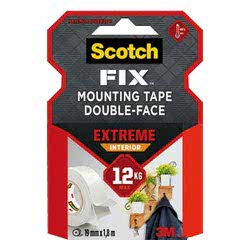
From:
8.39 €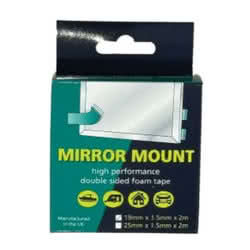
From:
8.43 €For solar panels, we do not recommend using traditional adhesive velcro. It is preferable to use specific fixing systems for solar panels, designed to withstand the stresses of wind, salt spray, and vibrations. Alternatively, you can opt for a high-strength two-component structural adhesive.
Dual Lock is based on a mushroom-shaped fastening system that interlocks securely, offering significantly higher holding power than traditional velcro. It is ideal for applications that require greater strength, durability, and the ability to remove and reposition. Traditional velcro is more suitable for light and less demanding applications.
To remove adhesive velcro without damaging the surface, gently heat the adhesive with a hairdryer to soften it. Then, gently pull the velcro, using a plastic spatula if necessary. Remove any adhesive residue with a specific solvent or isopropyl alcohol. In the case of delicate surfaces, test the solvent in a hidden area before proceeding.
Most adhesive velcros are not designed for prolonged underwater use. However, there are some specific products with water-resistant adhesives that can be used in humid environments or occasional contact with water. Always check the manufacturer's specifications before use.
For solar panels, we do not recommend using traditional adhesive velcro. It is preferable to use specific fixing systems for solar panels, designed to withstand the stresses of wind, salt spray, and vibrations. Alternatively, you can opt for a high-strength two-component structural adhesive.
Dual Lock is based on a mushroom-shaped fastening system that interlocks securely, offering significantly higher holding power than traditional velcro. It is ideal for applications that require greater strength, durability, and the ability to remove and reposition. Traditional velcro is more suitable for light and less demanding applications.
To remove adhesive velcro without damaging the surface, gently heat the adhesive with a hairdryer to soften it. Then, gently pull the velcro, using a plastic spatula if necessary. Remove any adhesive residue with a specific solvent or isopropyl alcohol. In the case of delicate surfaces, test the solvent in a hidden area before proceeding.
Most adhesive velcros are not designed for prolonged underwater use. However, there are some specific products with water-resistant adhesives that can be used in humid environments or occasional contact with water. Always check the manufacturer's specifications before use.
90% of the orders are shipped within 24H. Have a look at the availability and shipment time in the product page
We work on boating since 1982. You will find experienced and polite staff
You can choose between Paypal, Credit Card, Postepay and Transfer
We only use packaging from recycled material within our own store