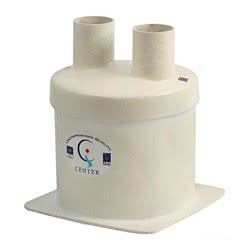
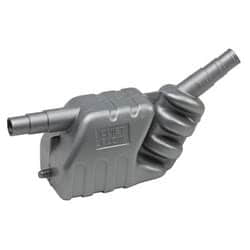
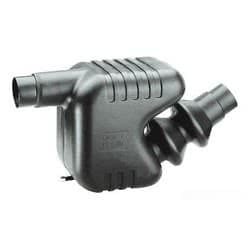
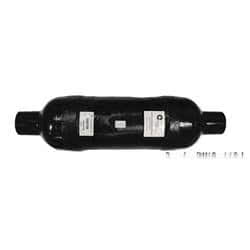
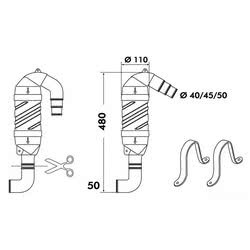
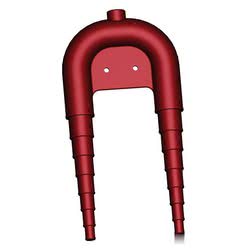
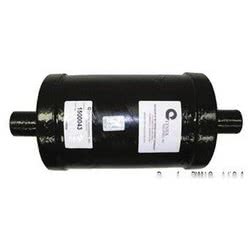
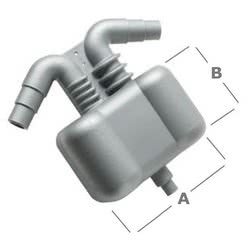
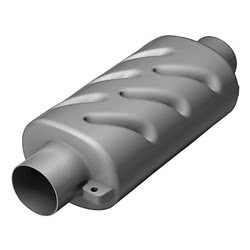
Marine mufflers for inboard engines are a fundamental element in ensuring comfortable and environmentally conscious boating. These devices are designed to minimize engine noise and vibration, significantly contributing to onboard comfort and compliance with noise pollution regulations in ports and protected marine areas.
An efficient exhaust system, with a suitable marine muffler, not only reduces perceived noise but also helps dampen engine vibrations, extending its lifespan and improving boat stability. Marine mufflers work by attenuating sound waves generated by exhaust gases, through an internal design engineered to dissipate sound energy.
Available in various shapes, sizes, and materials, marine mufflers adapt to different inboard engine configurations. The most common materials are
fiberglass and
PET (polyethylene terephthalate), both chosen for their resistance to marine corrosion and the high temperatures generated by exhaust gases. The choice of material depends on the specific needs of the boat and the owner's preferences.
Centek and
Osculati are well-known brands in the marine muffler sector, offering many models designed for different horsepower ratings and types of boats. Choosing the right marine exhaust requires careful evaluation of engine horsepower, exhaust fitting diameter, engine compartment size, and manufacturer specifications. Nautica Basile offers diverse marine mufflers to meet every need.
In addition to the silencing function, it is also important to consider the efficiency of the exhaust system as a whole. A well-designed system helps optimize engine performance and reduce polluting emissions.
The Basile Workshop Tip
- Professional Installation: To ensure maximum effectiveness and safety, we recommend entrusting the installation of the muffler to a qualified technician. Incorrect installation can compromise performance and cause engine damage.
- Regular Maintenance: Periodically check the condition of the muffler and exhaust fittings for any leaks, corrosion, or damage. Preventive maintenance is essential to extend the life of the muffler and prevent more serious problems.
- Absolute Compatibility: Carefully verify the compatibility of the muffler with your engine model. Consult the technical specifications and manufacturer's recommendations before making a purchase.
- Visual Inspection: During maintenance, check for cracks or deformations on the muffler. In case of anomalies, proceed with replacement immediately.
If you also need to replace the exhaust hoses, take a look at our section dedicated to
exhaust hoses and fittings.
Frequently Asked Questions
How can I choose the right muffler for my inboard engine?
Consider the engine's horsepower (HP), engine compartment size, exhaust fitting diameter, and fuel type (gasoline or diesel). Always check the manufacturer's specifications to ensure compatibility and consult an expert if necessary.
What is the difference between a fiberglass and a PET muffler?
Both materials are resistant to corrosion and high temperatures. Fiberglass is generally more robust and impact-resistant, offering greater durability over time. PET is lighter and recyclable, representing a more environmentally friendly choice.
How often should I replace the muffler?
The lifespan of a muffler depends on several factors, such as usage conditions, material quality, maintenance, and exposure to the elements. In general, it is recommended to periodically check the condition of the muffler and replace it every 5-10 years, or in case of obvious damage such as cracks, corrosion, or leaks.
What happens if the muffler is not compatible with my engine?
Using an incompatible muffler can compromise engine performance, increase noise and vibration, and even cause damage to the exhaust system. It is essential to choose a muffler specific to your engine model and follow the manufacturer's recommendations.
Can I install the muffler myself?
Although installing a muffler may seem simple, it is advisable to rely on a qualified technician to ensure correct and safe installation. Incorrect installation can compromise the performance of the muffler and cause problems with the engine.

 Italiano
 English