
 Italiano
 English
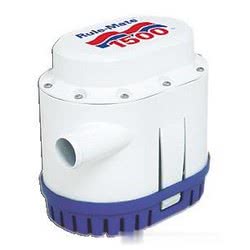
From:
385.30 €
From:
90.50 €
From:
24.60 €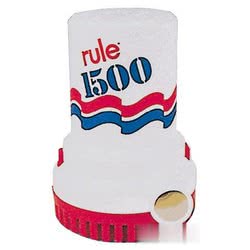
From:
170.10 €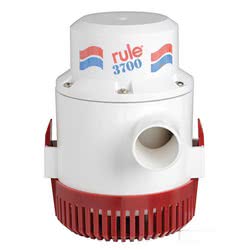
From:
397.80 €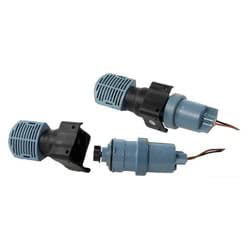
From:
53.60 €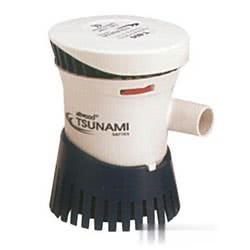
From:
21.20 €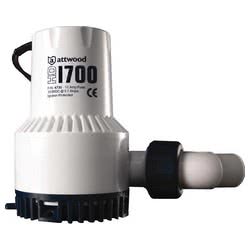
From:
141.30 €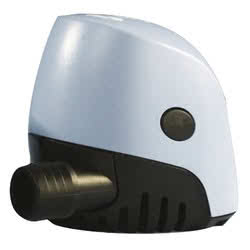
From:
33.70 €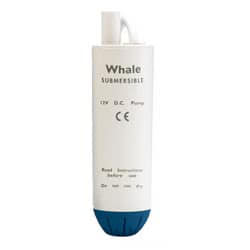
From:
53.00 €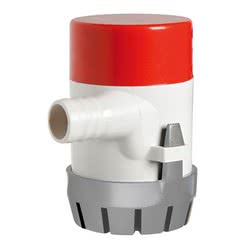
From:
16.50 €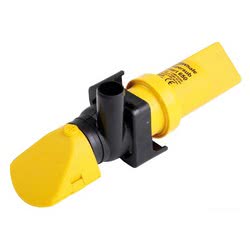
From:
95.80 €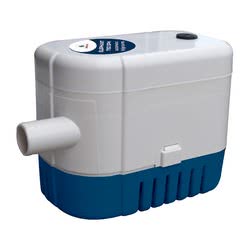
From:
33.00 €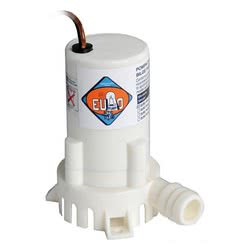
From:
23.90 €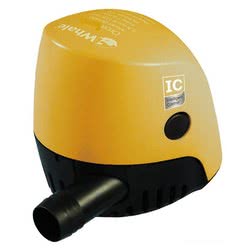
From:
174.10 €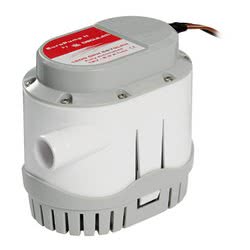
From:
61.10 €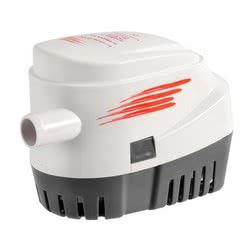
From:
28.10 €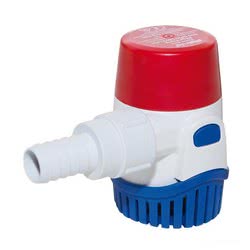
From:
40.10 €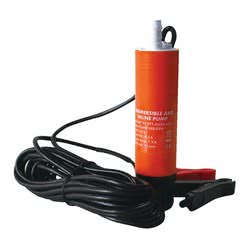
From:
46.40 €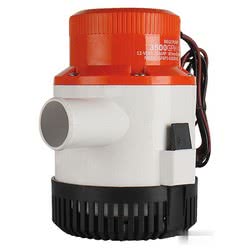
From:
69.20 €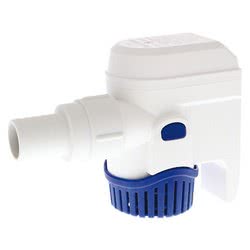
From:
132.60 €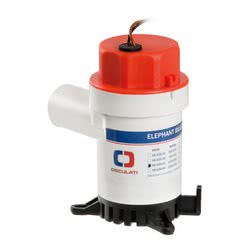
From:
27.90 €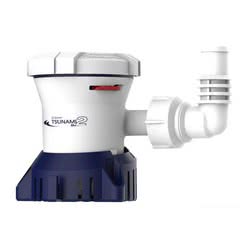
From:
38.60 €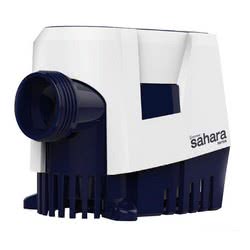
From:
81.60 €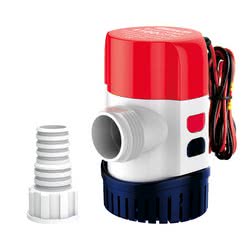
From:
22.10 €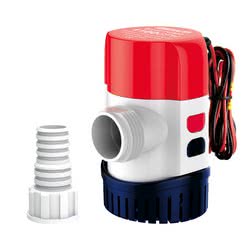
From:
37.10 €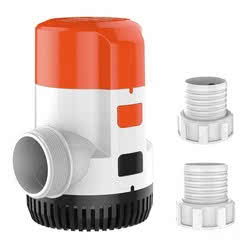
From:
83.40 €Submersible bilge pumps are essential for onboard safety. Whether you're dealing with unexpected leaks or routine cleaning, an efficient bilge pump is indispensable. We offer a selection of models, from automatic bilge pumps to manual versions, to suit every need and boat size. Find the ideal bilge pump for your boat.
Automatic bilge pumps are equipped with a sensor that automatically detects the presence of water and activates the pump. This is particularly useful in case of sudden leaks or during periods of boat inactivity. Manual models, on the other hand, offer direct control over water evacuation, ideal for targeted interventions.
Choosing the right bilge pump depends primarily on the required flow rate (expressed in liters per minute) and the voltage of the electrical system (12V or 24V). Also, consider the size of the bilge and the frequency of use. A tip: it's better to have a slightly oversized bilge pump than an undersized one, to cope with emergency situations.
Maintaining your bilge pump is crucial. Periodically check that the impeller is clean and free of debris. Also, verify the correct functioning of the sensor in automatic bilge pumps. A well-maintained pump guarantees maximum efficiency and longevity.
For a complete bilge system, also consider installing a high-level alarm and a filter to prevent debris from clogging the pump. And don't forget to periodically check the discharge hoses to make sure they are not blocked or damaged.
Automatic bilge pumps activate automatically when they detect water in the bilge, thanks to an integrated sensor. Manual pumps, on the other hand, require user intervention to be started and stopped.
The required flow rate depends on the size of the bilge and the amount of water that may accumulate. As a general rule, it is better to opt for a pump with a flow rate slightly higher than your estimates, to ensure rapid water evacuation in case of emergency.
220V bilge pumps are generally used in domestic or industrial settings. On boats, it is more common to use 12V or 24V pumps, powered by the onboard battery. If you need a 220V pump, make sure you have a suitable inverter and comply with safety regulations.
Install a filter on the suction line to prevent debris and dirt from reaching the pump. Regularly clean the filter and the bilge to remove any accumulation of dirt. Avoid throwing objects into the bilge that could clog the pump.
Automatic bilge pumps activate automatically when they detect water in the bilge, thanks to an integrated sensor. Manual pumps, on the other hand, require user intervention to be started and stopped.
The required flow rate depends on the size of the bilge and the amount of water that may accumulate. As a general rule, it is better to opt for a pump with a flow rate slightly higher than your estimates, to ensure rapid water evacuation in case of emergency.
220V bilge pumps are generally used in domestic or industrial settings. On boats, it is more common to use 12V or 24V pumps, powered by the onboard battery. If you need a 220V pump, make sure you have a suitable inverter and comply with safety regulations.
Install a filter on the suction line to prevent debris and dirt from reaching the pump. Regularly clean the filter and the bilge to remove any accumulation of dirt. Avoid throwing objects into the bilge that could clog the pump.
90% of the orders are shipped within 24H. Have a look at the availability and shipment time in the product page
We work on boating since 1982. You will find experienced and polite staff
You can choose between Paypal, Credit Card, Postepay and Transfer
We only use packaging from recycled material within our own store