,

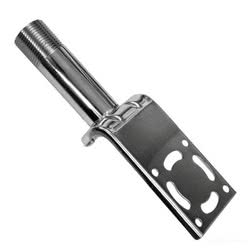
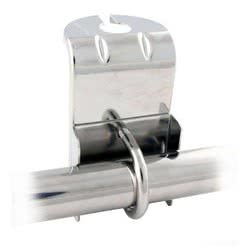
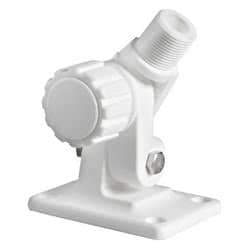
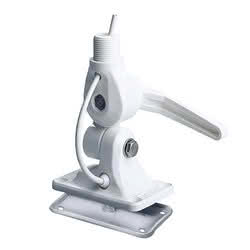
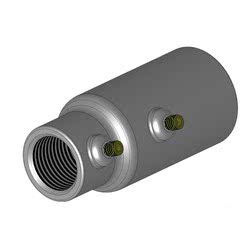
Base plates and accessories for VHF antennas and radars

Marine mounts and bases for VHF and radar antennas. Fixed, hinged, and cable glands in aluminum or nylon. Corrosion resistant. Find antenna accessories.

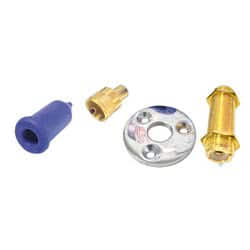
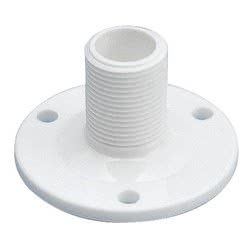
5-cm deck fairlead in golden colour

From:

37.80 €
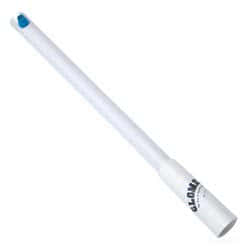
GLOMEX extension pole

From:

85.90 €
GLOMEX articulated base for pulpit

From:

34.00 €
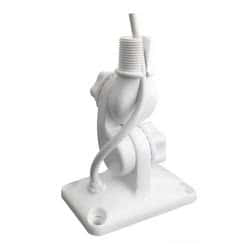
GLOMEX base with integrated cable passage, recommended for antennas 1.5 m

From:

26.60 €
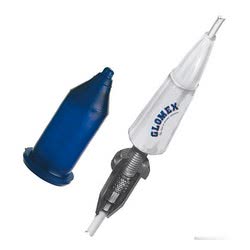
Watertight connector protectors

From:

9.83 €
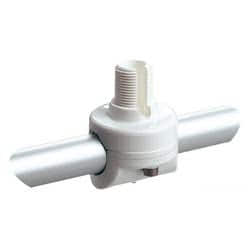
GLOMEX fixed nylon base for pulpit

From:

23.20 €
Base for GPS

From:

2.57 €
GLOMEX articulated and raised base for pulpit

From:

57.50 €
GPS/UHF antenna base with lever for pulpit

From:

9.79 €
Support bases for GPS/VHF antennas

From:

27.20 €
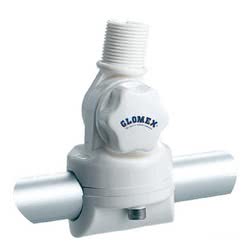
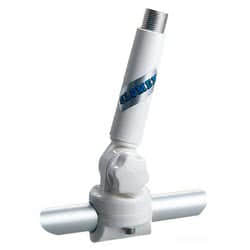
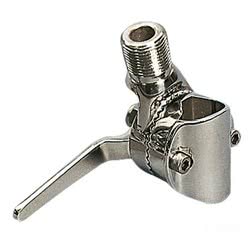
GLOMEX lever-operated articulated base

From:

37.90 €
Double swivelling base for radio antennas

From:

51.80 €
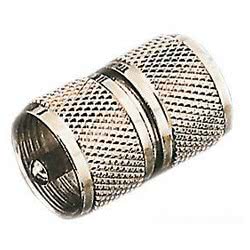
Accessories for antennas

From:

3.70 €
Base

From:

16.60 €
Swivelling base

From:

57.60 €
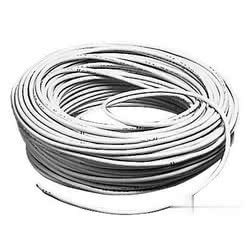
RG-58/152 cable

From:

1.59 €
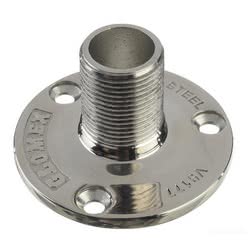
GLOMEX fixed base

From:

3.45 €
Swivelling base for VHF antenna and GPS

From:

13.30 €
Support

From:

12.50 €
GPS/VHF fixed antenna support for pulpit

From:

18.20 €
Base for V9176 masthead GLOMEX

From:

46.50 €
Base for V9181 pulpit GLOMEX

From:

46.50 €
Base for V9171 antennas GLOMEX

From:

133.00 €
Swivelling base for VHF antenna and GPS

From:

13.30 €
GLOMEX base with built-in fairlead recommended for RA1201

From:

27.70 €
Adapter for Starlink GLOMEX antenna

From:

96.60 €
VHF and radar antenna bases and accessories are essential components for reliable communication and safe navigation at sea. Whether you need fixed mounts, hinged bases, or cable glands, the choice of materials and proper installation are crucial. Here you'll find a selection of products tested to withstand the harshest marine conditions.

Hinged bases, for example, allow you to lower your antenna for winter storage or to pass under low bridges, preventing damage and simplifying maintenance. Watertight cable glands protect connectors from saltwater, preventing oxidation and signal loss.

Materials like anodized aluminum and reinforced nylon offer an excellent balance of lightness and corrosion resistance. Always verify compatibility with your antenna tube diameter and choose products certified for marine use.

Nautica Basile's Advice


  • Installation: Always use dielectric grease on connectors to prevent galvanic corrosion.

  • Wiring: Ensure your coaxial cable is high-quality and specifically designed for marine use.

  • Protection: Regularly inspect bases and mounts for any signs of wear or corrosion.

  • Compatibility: If you have any doubts about compatibility, always check the product code against your antenna manual.


Complete your VHF system with our certified VHF cables and connectors. And for optimal reception, check out our marine VHF antennas from Glomex.


Frequently Asked Questions


What is the difference between a fixed and a hinged VHF antenna base?


A fixed base offers maximum stability and strength, ideal for permanent installations. A hinged base allows you to lower the antenna for storage, transport, or to clear obstacles such as bridges. The choice depends on your specific needs.


How can I protect VHF antenna connectors from corrosion?


Always use dielectric grease on the connectors before tightening them. This creates a protective barrier against moisture and salt spray. Regularly inspect the connectors for any signs of corrosion and clean them with a specific product if necessary.


What type of coaxial cable is best suited for a marine VHF antenna?


Use only coaxial cables specifically designed for marine use. These cables are resistant to saltwater, UV rays, and vibrations. Make sure the cable has low attenuation to ensure optimal signal transmission.


Can I use a generic VHF antenna base or should I choose a base specific to my antenna model?


It is always advisable to use a base specific to your antenna model. This ensures perfect compatibility and optimal watertight sealing. Always check the product code and technical specifications before purchasing.


What should I do if my VHF antenna is no longer receiving a signal?


First, check that the connectors are clean and properly connected. Check that the coaxial cable is not damaged or corroded. If the problem persists, try replacing the antenna or having it checked by a qualified technician.

What is the difference between a fixed and a hinged VHF antenna base?

A fixed base offers maximum stability and strength, ideal for permanent installations. A hinged base allows you to lower the antenna for storage, transport, or to clear obstacles such as bridges. The choice depends on your specific needs.

How can I protect VHF antenna connectors from corrosion?

Always use dielectric grease on the connectors before tightening them. This creates a protective barrier against moisture and salt spray. Regularly inspect the connectors for any signs of corrosion and clean them with a specific product if necessary.

What type of coaxial cable is best suited for a marine VHF antenna?

Use only coaxial cables specifically designed for marine use. These cables are resistant to saltwater, UV rays, and vibrations. Make sure the cable has low attenuation to ensure optimal signal transmission.

Subscribe our newsletter

Subscribe to our newsletter to keep up to date with the latest news.

Fast Shipment

90% of the orders are shipped within 24H. Have a look at the availability and shipment time in the product page

Boating professionals

We work on boating since 1982. You will find experienced and polite staff

Secure payments

You can choose between Paypal, Credit Card, Postepay and Transfer

Recycled packaging

We only use packaging from recycled material within our own store