
 Italiano
 English
From:
2.69 €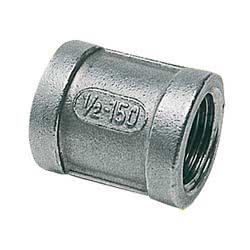
From:
3.70 €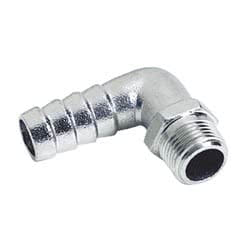
From:
4.65 €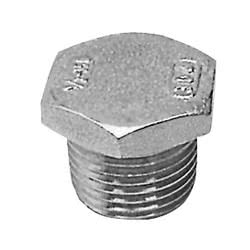
From:
2.42 €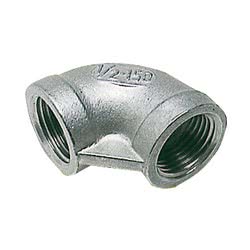
From:
3.19 €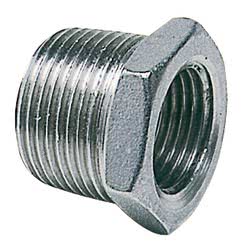
From:
2.30 €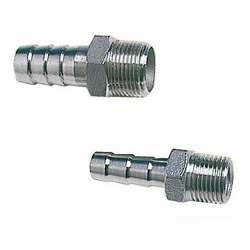
From:
3.39 €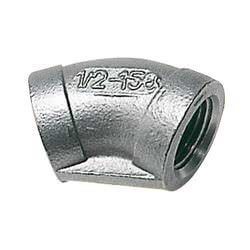
From:
3.17 €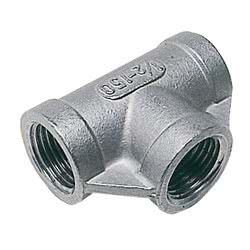
From:
4.20 €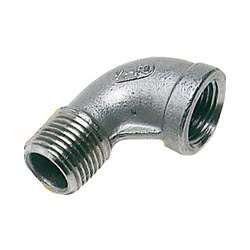
From:
4.02 €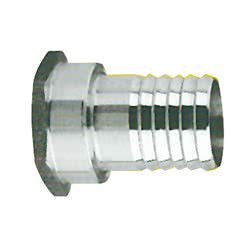
From:
6.07 €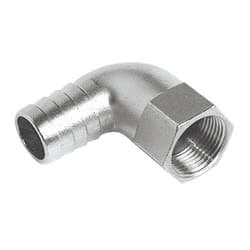
From:
8.86 €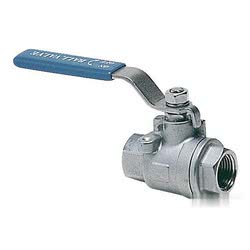
From:
12.10 €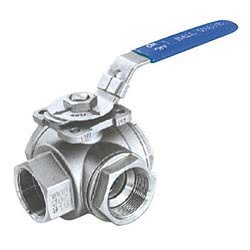
From:
39.10 €A boat's plumbing system is a complex network, often underestimated. Every component, from the seacock valve to the smallest fitting, must withstand constant corrosion and stress. That's why AISI 316 stainless steel is the only choice.
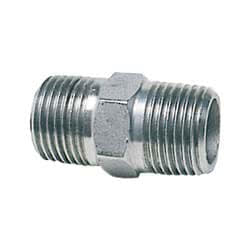
We offer stainless steel ball valves and fittings for every type of application. From female/female stainless steel elbows to double nipples and female stainless steel hose tails. All our products are made with high-quality materials and are certified for marine use.
A common mistake is underestimating the importance of fittings. A poor-quality fitting can fail, causing leaks and damage to the system. With our stainless steel fittings, you can navigate with complete peace of mind, knowing you have a reliable and safe plumbing system.
Complete your plumbing system with our rubber hoses and stainless steel hose clamps.
316 stainless steel is superior to 304 for marine use due to the addition of molybdenum, which significantly increases its resistance to chloride corrosion (such as that found in seawater). While 304 can rust over time, 316 maintains its properties and structural integrity even in extreme conditions.
Even 316 stainless steel, although resistant, can suffer from galvanic corrosion if in contact with other less noble metals. Always ensure you use stainless steel fittings of the same type (316) and isolate connections with other metals using gaskets or Teflon tape. In addition, regular cleaning with stainless steel-specific products helps remove salt deposits and dirt that can accelerate corrosion.
Brass ball valves, although cheaper, are less resistant to corrosion in a marine environment than stainless steel ones. Brass tends to corrode over time, especially when exposed to salt water, compromising the valve's seal and functionality. AISI 316 stainless steel offers greater durability and reliability, reducing the risk of leaks and malfunctions.
316 stainless steel is superior to 304 for marine use due to the addition of molybdenum, which significantly increases its resistance to chloride corrosion (such as that found in seawater). While 304 can rust over time, 316 maintains its properties and structural integrity even in extreme conditions.
Even 316 stainless steel, although resistant, can suffer from galvanic corrosion if in contact with other less noble metals. Always ensure you use stainless steel fittings of the same type (316) and isolate connections with other metals using gaskets or Teflon tape. In addition, regular cleaning with stainless steel-specific products helps remove salt deposits and dirt that can accelerate corrosion.
Brass ball valves, although cheaper, are less resistant to corrosion in a marine environment than stainless steel ones. Brass tends to corrode over time, especially when exposed to salt water, compromising the valve's seal and functionality. AISI 316 stainless steel offers greater durability and reliability, reducing the risk of leaks and malfunctions.
90% of the orders are shipped within 24H. Have a look at the availability and shipment time in the product page
We work on boating since 1982. You will find experienced and polite staff
You can choose between Paypal, Credit Card, Postepay and Transfer
We only use packaging from recycled material within our own store