
 Italiano
 English
From:
27.30 €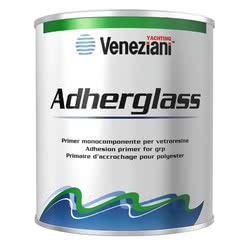
From:
43.50 €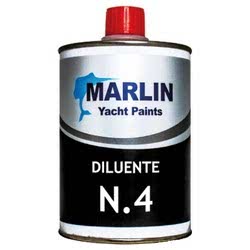
From:
11.90 €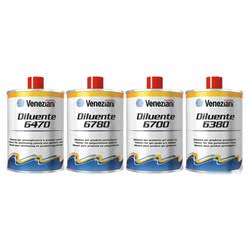
From:
11.90 €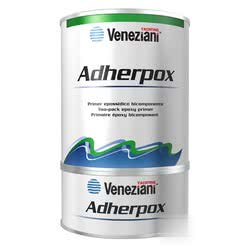
From:
46.30 €
From:
49.40 €
From:
35.80 €
From:
79.90 €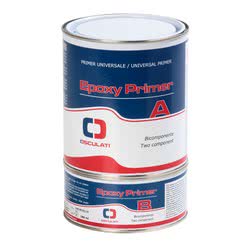
From:
36.50 €Osmosis poses a serious threat to fiberglass boats. Water infiltration into the hull can cause blisters containing corrosive liquid, compromising structural integrity. Prevention is key: an antiosmosis treatment using high-quality epoxy primers, such as Marlin Adherglass or Veneziani Adherpox, offered by Nautica Basile, effectively protects your hull in the long run.
In addition to primers, the use of specific thinners (marine thinner) is essential for proper surface preparation, ensuring optimal paint adhesion. Avoid using generic thinners, as they may compromise the entire process. Nautica Basile offers thinners compatible with epoxy primers, guaranteeing professional results.
Remember that surface preparation is a crucial step. Thoroughly sand the hull to remove any traces of dirt, old antifouling paint residue, and imperfections. Apply the marine primer carefully following the manufacturer's instructions. Nautica Basile provides guides and tutorials to assist you at every stage of the process.
Complete your order with epoxy fillers for repairing minor imperfections, antifouling paint to protect the hull from fouling, and protective tapes to mask off areas to be treated. Nautica Basile offers everything you need for boat maintenance.
No, antiosmosis primers are specifically designed for fiberglass hulls. For wood, use epoxy primers specifically formulated for wood, which seal the pores and prevent water absorption. Nautica Basile offers a selection of primers suitable for different types of boats.
The number of coats depends on the product and the condition of the hull. In general, at least 2-3 coats are recommended, carefully following the manufacturer's instructions on the packaging. Always check the coverage per liter indicated to calculate the required quantity. Nautica Basile recommends consulting the product datasheet for detailed information.
For hull cleaning, use marine-specific degreasers that remove wax, oil, and dirt residues without damaging the gelcoat. Avoid harsh solvents that could damage the surface. Nautica Basile offers gentle and effective detergents for optimal cleaning.
Symptoms of osmosis include blisters on the hull, a vinegar-like (acetic acid) odor, and, in advanced cases, fiberglass delamination. An accurate diagnosis requires a professional inspection. Contact Nautica Basile for advice and assistance.
Generally, it is advisable to apply an intermediate primer layer (undercoat) between the antiosmosis primer and the antifouling paint. This layer improves the adhesion of the antifouling paint and further protects the antiosmosis primer. Consult the product datasheets for specific recommendations.
The ideal temperature for applying antiosmosis primer varies depending on the product, but is generally between 15°C and 25°C (59°F and 77°F). Avoid applying the primer in high humidity or direct sunlight. Always check the manufacturer's instructions for specific temperatures.
No, antiosmosis primers are specifically designed for fiberglass hulls. For wood, use epoxy primers specifically formulated for wood, which seal the pores and prevent water absorption. Nautica Basile offers a selection of primers suitable for different types of boats.
The number of coats depends on the product and the condition of the hull. In general, at least 2-3 coats are recommended, carefully following the manufacturer's instructions on the packaging. Always check the coverage per liter indicated to calculate the required quantity. Nautica Basile recommends consulting the product datasheet for detailed information.
For hull cleaning, use marine-specific degreasers that remove wax, oil, and dirt residues without damaging the gelcoat. Avoid harsh solvents that could damage the surface. Nautica Basile offers gentle and effective detergents for optimal cleaning.
Symptoms of osmosis include blisters on the hull, a vinegar-like (acetic acid) odor, and, in advanced cases, fiberglass delamination. An accurate diagnosis requires a professional inspection. Contact Nautica Basile for advice and assistance.
Generally, it is advisable to apply an intermediate primer layer (undercoat) between the antiosmosis primer and the antifouling paint. This layer improves the adhesion of the antifouling paint and further protects the antiosmosis primer. Consult the product datasheets for specific recommendations.
The ideal temperature for applying antiosmosis primer varies depending on the product, but is generally between 15°C and 25°C (59°F and 77°F). Avoid applying the primer in high humidity or direct sunlight. Always check the manufacturer's instructions for specific temperatures.
90% of the orders are shipped within 24H. Have a look at the availability and shipment time in the product page
We work on boating since 1982. You will find experienced and polite staff
You can choose between Paypal, Credit Card, Postepay and Transfer
We only use packaging from recycled material within our own store