
 Italiano
 English
From:
27.30 €
From:
43.50 €
From:
17.00 €
From:
11.90 €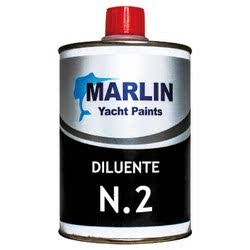
From:
10.80 €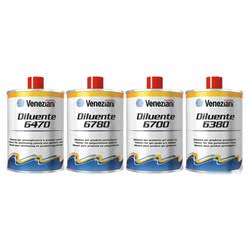
From:
11.90 €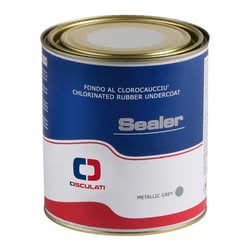
From:
19.10 €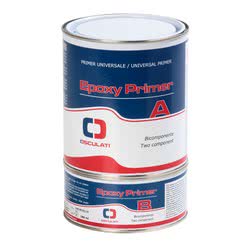
From:
36.50 €
From:
9.60 €
From:
117.70 €
From:
16.50 €Antifouling paint is the first line of defense against marine growth, but to realize its full potential, it needs a solid and well-prepared base. The antifouling primer acts as a bonding agent between the hull and the antifouling paint, creating a strong and durable bond that prevents flaking, premature detachment, and water infiltration. Without a good primer, even the highest-performing antifouling risks losing its effectiveness over time.
Antifouling thinners, on the other hand, play a crucial role in the application process. Their function is to regulate the viscosity of the product, making it easier to apply and ensuring a uniform and homogeneous layer. Using the wrong thinner, or a low-quality thinner, can compromise the performance of the antifouling, reducing its lifespan and protective effectiveness.
Compatibility is key: Not all primers and thinners are universal. Compatibility with the type of antifouling and the hull material is essential for optimal results. Always carefully consult the product data sheets and manufacturer's instructions to avoid unwanted reactions and ensure maximum treatment effectiveness.
Expert tip: After applying the primer, lightly sanding the surface with fine-grit sandpaper can further improve the adhesion of the antifouling. Don't forget to protect the propeller with a specific antifouling. Discover our selection in the antifouling for propellers section.
The choice of thinner depends on the specific type of Veneziani antifouling you purchased. Carefully consult the product data sheet to identify the recommended thinner. In general, universal antifouling thinners can be used, but it is always advisable to check the manufacturer's instructions to avoid compatibility issues.
Absolutely not. Automotive primers are not formulated to withstand prolonged immersion in salt water and the corrosive action of marine agents. Use only marine-specific primers, designed to ensure optimal adhesion and lasting protection in the marine environment.
Generally, two coats of primer are sufficient to ensure good adhesion and adequate protection. It is essential to respect the drying times indicated on the packaging between coats to allow the primer to polymerize correctly.
Surface preparation is a crucial step to ensure the effectiveness of the primer. Start with a thorough cleaning to remove dirt, grease, old antifouling residue, and any other contaminants. If necessary, sand the surface to create a slight roughness that promotes primer adhesion. Finally, make sure the surface is completely dry before proceeding with the application.
The choice of thinner depends on the specific type of Veneziani antifouling you purchased. Carefully consult the product data sheet to identify the recommended thinner. In general, universal antifouling thinners can be used, but it is always advisable to check the manufacturer's instructions to avoid compatibility issues.
Absolutely not. Automotive primers are not formulated to withstand prolonged immersion in salt water and the corrosive action of marine agents. Use only marine-specific primers, designed to ensure optimal adhesion and lasting protection in the marine environment.
Generally, two coats of primer are sufficient to ensure good adhesion and adequate protection. It is essential to respect the drying times indicated on the packaging between coats to allow the primer to polymerize correctly.
Surface preparation is a crucial step to ensure the effectiveness of the primer. Start with a thorough cleaning to remove dirt, grease, old antifouling residue, and any other contaminants. If necessary, sand the surface to create a slight roughness that promotes primer adhesion. Finally, make sure the surface is completely dry before proceeding with the application.
One-component primers are easy to use and require no mixing. They are suitable for most standard applications. Two-component primers, on the other hand, offer greater resistance and durability and are recommended for particularly exposed hulls or professional applications. They require mixing two components before use.
It is not advisable to apply antifouling paint directly to the gelcoat without primer. The primer creates an optimal adhesion surface and prevents premature detachment of the antifouling. In addition, the primer can protect the gelcoat from moisture absorption and osmosis formation.
If the primer thickens too much, you can add a small amount of primer-specific thinner, carefully following the manufacturer's instructions. Mix well to obtain a uniform consistency. Avoid adding too much thinner, as this may compromise the properties of the primer.
90% of the orders are shipped within 24H. Have a look at the availability and shipment time in the product page
We work on boating since 1982. You will find experienced and polite staff
You can choose between Paypal, Credit Card, Postepay and Transfer
We only use packaging from recycled material within our own store