,

Antifouling for boats

Proteggi la tua barca con antivegetative autopulenti e a matrice dura. Scegli il diluente giusto per un'applicazione perfetta. Spedizioni rapide.

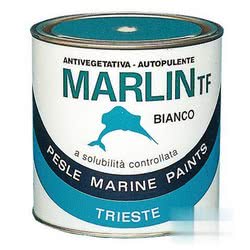
Antifouling " Marlin TF white"

From:

44.30 €
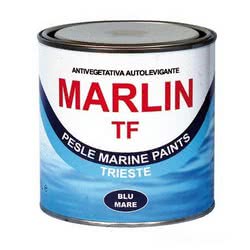
MARLIN TF antifouling paint

From:

137.60 €
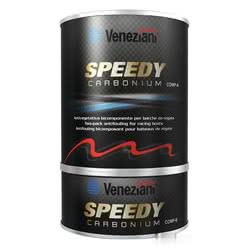
SPEEDY CARBONIUM - carbon-based antifouling

From:

123.80 €
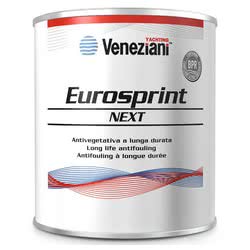
VENEZIANI Eurosprint Antifouling

From:

60.40 €
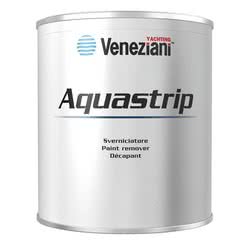
VENEZIANI Aquastrip gel

From:

73.20 €
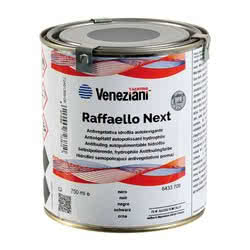
VENEZIANI Raffaello Antifouling

From:

85.90 €
Marlin "White" antifouling

From:

53.00 €
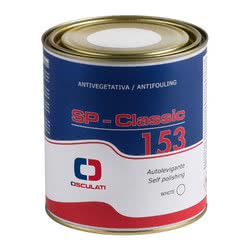
SP Classic 153 antifouling paint

From:

29.60 €
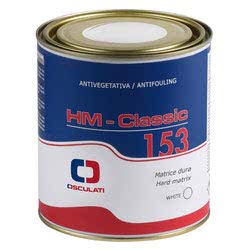
HM Classic 153 antifouling paint

From:

28.30 €
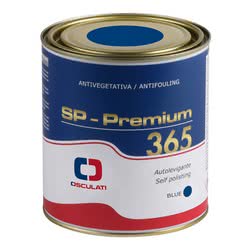
SP Premium 365 antifouling paint

From:

37.80 €
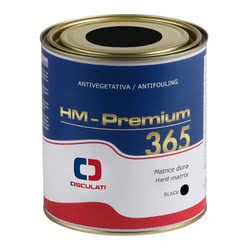
HM Premium 365 antifouling paint

From:

34.60 €
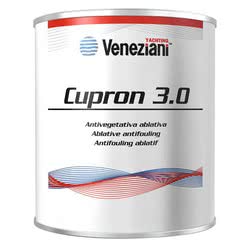
VENEZIANI Cupron 3.0 antifouling paint

From:

29.00 €
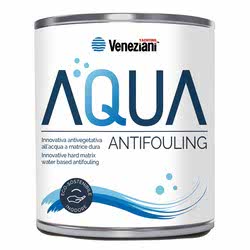
VENEZIANI Aqua Antifouling

From:

254.10 €

Antifouling Paint: Which Type is Right for You?


Antifouling is essential for maintaining your boat's performance. Quality antifouling reduces drag, improves fuel efficiency, and protects your hull from osmosis. But which type should you choose?

* **Self-Polishing Antifouling:** Gradually releases biocides, ideal for sailboats and powerboats up to 25 knots.
* **Hard Matrix Antifouling:** Offers longer-lasting protection, perfect for high-speed boats (over 25 knots) and RIBs.
* **Eco-Friendly Antifouling:** Biocide-free alternatives that are kinder to the marine environment, but require regular cleaning.

Not all antifouling paints are created equal. The best choice depends on your hull material (fiberglass, wood, aluminum), cruising speed, and environmental conditions (warm, cold, or brackish water).

Antifouling Thinner: The Importance of Compatibility


Using the correct antifouling thinner is crucial for a successful paint job. The wrong thinner can compromise adhesion, gloss, and durability.

We stock thinners specifically formulated for all types of antifouling paint: synthetic, polyurethane, and epoxy. Always consult the product data sheet to choose the recommended antifouling thinner.

The Officina Basile Tip


* **Prepare the surface properly:** Sand and thoroughly clean the hull before applying antifouling paint.
* **Respect drying times:** Antifouling applied too quickly won't adhere properly.
* **Apply two coats of antifouling:** Especially in areas prone to fouling (waterline, keel, rudder).


  • Fast shipping throughout Italy.

  • Pre- and post-sales technical support.

  • Only products from official distributors.


An extra tip: Check out our epoxy primers for extra protection against osmosis.

FAQ - Frequently Asked Questions


Can I apply antifouling paint directly over the old coat?


It depends. If the old antifouling is in good condition (well-adhered and not flaking), you can lightly sand it and apply a new coat. Otherwise, it's best to completely remove the old antifouling with a specialized paint stripper.


How much antifouling paint do I need for my boat?


The amount of antifouling needed depends on the surface area of your hull. Typically, the coverage is indicated on the container (e.g., 10 m²/liter). Calculate the submerged area of your boat and purchase the necessary amount, always allowing for two coats.


What's the difference between self-polishing and hard matrix antifouling?


Self-polishing antifouling gradually releases biocides and wears away over time. It's suitable for sailboats and powerboats that operate at moderate speeds. Hard matrix antifouling, on the other hand, forms a more durable and resistant film, ideal for high-speed boats and RIBs.


Can I use the same antifouling paint for the hull and the propeller?


No. You need to use a specific antifouling paint for propellers that is resistant to cavitation and abrasion.


Can I apply antifouling paint directly over the old coat?

It depends. If the old antifouling is in good condition (well-adhered and not flaking), you can lightly sand it and apply a new coat. Otherwise, it's best to completely remove the old antifouling with a specialized paint stripper.

How much antifouling paint do I need for my boat?

The amount of antifouling needed depends on the surface area of your hull. Typically, the coverage is indicated on the container (e.g., 10 m²/liter). Calculate the submerged area of your boat and purchase the necessary amount, always allowing for two coats.

What's the difference between self-polishing and hard matrix antifouling?

Self-polishing antifouling gradually releases biocides and wears away over time. It's suitable for sailboats and powerboats that operate at moderate speeds. Hard matrix antifouling, on the other hand, forms a more durable and resistant film, ideal for high-speed boats and RIBs.

Can I use the same antifouling paint for the hull and the propeller?

No. You need to use a specific antifouling paint for propellers that is resistant to cavitation and abrasion.

Subscribe our newsletter

Subscribe to our newsletter to keep up to date with the latest news.

Fast Shipment

90% of the orders are shipped within 24H. Have a look at the availability and shipment time in the product page

Boating professionals

We work on boating since 1982. You will find experienced and polite staff

Secure payments

You can choose between Paypal, Credit Card, Postepay and Transfer

Recycled packaging

We only use packaging from recycled material within our own store