,

Scuppers, cockpit drains, hydraulic accessories

Durable brass & nylon boat hydraulic and thru-hull fittings. Saltwater resistant. Find the right diameter for your boat's plumbing.

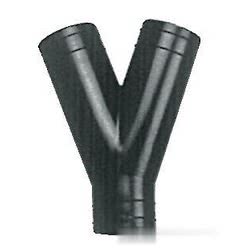
Y Connection WHALE

From:

15.70 €
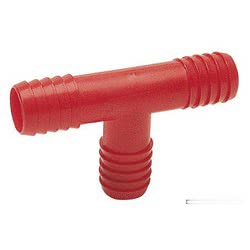
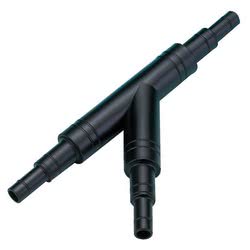
"T” nylon joints for water hoses

From:

0.86 €
Nylon cylindrical water hose joints

From:

2.22 €
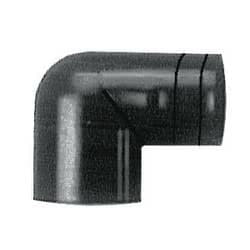
Semirigid elbow WHALE

From:

20.50 €
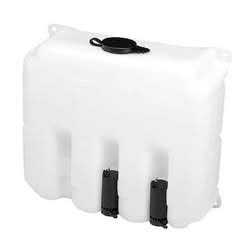
Doga window cleaning system

From:

0.90 €
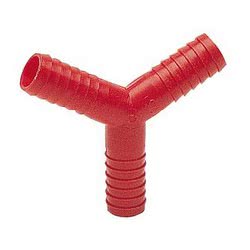
“Y” nylon joints for water hoses

From:

3.18 €
High strength thermopolymer bulkhead

From:

3.58 €
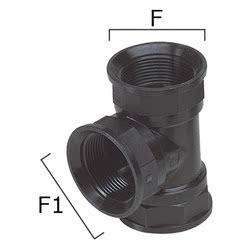
T joints made of high strength thermopolymer

From:

4.17 €
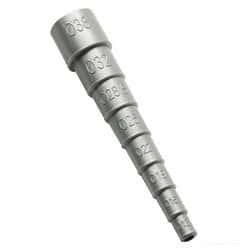
Universal adapter for piping

From:

6.39 €
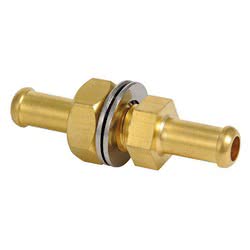
Fuel connection

From:

9.51 €
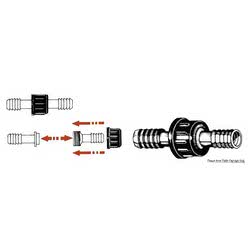
Universal adapter with hose adapter

From:

15.90 €
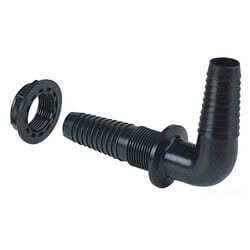
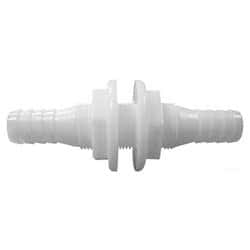
Nylon thru-hull fitting

From:

3.24 €
Hydraulic fittings are the crucial element for a reliable and leak-free onboard plumbing system. Whether you're connecting discharge hoses, scuppers, or seacocks, choosing the right fitting makes all the difference between smooth sailing and a sudden flood.

We offer a curated assortment of brass and nylon fittings, with various configurations (straight, tee, wye) and diameters (from 5 to 58 mm) to suit every need. Our white nylon thru-hull fittings ensure a safe and watertight passage of hoses through the hull.

A common mistake is underestimating the importance of materials. A cheap plastic fitting can fail under pressure or deteriorate quickly due to saltwater, causing costly damage. Our fittings are selected to guarantee maximum strength and long-lasting performance.

The Officina Basile Tip


  • Check Compatibility: Ensure the fitting is suitable for the type of hose you need to connect (diameter, material).

  • Choose Durable Materials: Brass and nylon are ideal materials for the marine environment, resistant to corrosion and pressure.

  • Seal Properly: Use sealant tape or jointing compound to ensure a watertight seal.

  • Inspect Regularly: Periodically check the fittings for any signs of wear or corrosion.


Consider also purchasing AISI 316 stainless steel hose clamps to securely fasten the hoses to the fittings. A quality clamp prevents leaks and ensures a durable connection. Don't forget to check your hydraulic hoses regularly for wear and tear.

Frequently Asked Questions


What is the difference between a brass and a nylon fitting?


Brass fittings are more resistant to pressure and high temperatures, ideal for engine cooling or hot water circuits. Nylon fittings are lighter and more resistant to corrosion, suitable for discharge hoses, scuppers, and fresh water.


How do I choose the right thru-hull fitting?


Measure the diameter of the hose that needs to pass through the hull and choose a thru-hull with a slightly larger hole diameter. Make sure the thru-hull is made of corrosion-resistant material (nylon or stainless steel) and has a gasket to ensure a watertight seal.


Can I use a fitting for drinking water also for seawater?


Yes, but it is advisable to use fittings specifically for seawater, made of more corrosion-resistant materials. Drinking water fittings may deteriorate more quickly in contact with saltwater.


How can I prevent leaks from fittings?


Use sealant tape or jointing compound to seal the threads. Tighten the fittings with a suitable wrench, but not excessively to avoid damaging them. Periodically check the fittings for leaks and tighten them again if necessary.


What products should I use to clean brass fittings without damaging them?


Use a specific brass cleaner and a soft cloth. Avoid abrasive products that could scratch the surface. You can also use a solution of water and white vinegar to remove oxidation stains.

What is the difference between a brass and a nylon fitting?

Brass fittings are more resistant to pressure and high temperatures, ideal for engine cooling or hot water circuits. Nylon fittings are lighter and more resistant to corrosion, suitable for discharge hoses, scuppers, and fresh water.

How do I choose the right thru-hull fitting?

Measure the diameter of the hose that needs to pass through the hull and choose a thru-hull with a slightly larger hole diameter. Make sure the thru-hull is made of corrosion-resistant material (nylon or stainless steel) and has a gasket to ensure a watertight seal.

Can I use a fitting for drinking water also for seawater?

Yes, but it is advisable to use fittings specifically for seawater, made of more corrosion-resistant materials. Drinking water fittings may deteriorate more quickly in contact with saltwater.

How can I prevent leaks from fittings?

Use sealant tape or jointing compound to seal the threads. Tighten the fittings with a suitable wrench, but not excessively to avoid damaging them. Periodically check the fittings for leaks and tighten them again if necessary.

What products should I use to clean brass fittings without damaging them?

Use a specific brass cleaner and a soft cloth. Avoid abrasive products that could scratch the surface. You can also use a solution of water and white vinegar to remove oxidation stains.

Subscribe our newsletter

Subscribe to our newsletter to keep up to date with the latest news.

Fast Shipment

90% of the orders are shipped within 24H. Have a look at the availability and shipment time in the product page

Boating professionals

We work on boating since 1982. You will find experienced and polite staff

Secure payments

You can choose between Paypal, Credit Card, Postepay and Transfer

Recycled packaging

We only use packaging from recycled material within our own store