,

Nautical batteries and accessories

Marine-grade electrical cables made with corrosion-resistant tinned copper. Choose the right gauge and crimp your terminals for a safe electrical system.

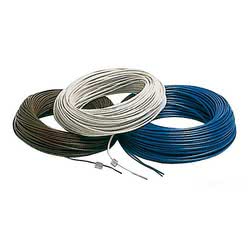
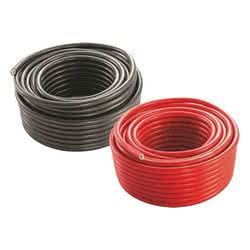
Marine electric cable made of copper and coated with extra-insulating PVC

From:

0.71 €
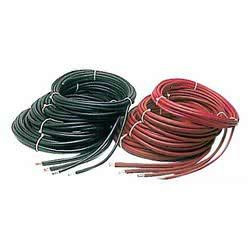
Battery cables, made of copper and coated with synthetic resin insulating covering

From:

6.60 €
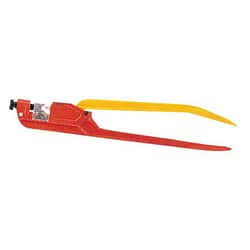
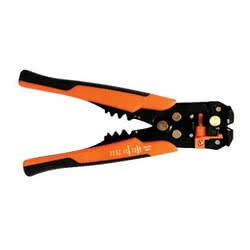
Crimping tool

From:

213.90 €
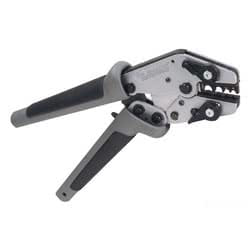
Professional crimping tool

From:

93.50 €
Professional crimping tool + cable stripper

From:

24.90 €
Tinned copper battery cable coated in synthetic resin.

From:

10.40 €
Marine-grade electrical cables: Why can't I just use automotive wire?

A boat's electrical system is subjected to extreme conditions: salt spray, humidity, constant vibration. That's why boat electrical cables must be designed to withstand these stresses. Our cables are manufactured with tinned copper conductors, which offer superior corrosion resistance compared to bare copper. The outer jacket is resistant to weathering and hydrocarbons.

Battery Cables: Gauge and Amperage

Choosing the correct gauge of battery cables is essential to ensure proper electrical system performance and prevent overheating. The gauge must be appropriate for the amperage of the load it needs to supply. In our catalog, you'll find battery cables ranging from 16mm² to 95mm², suitable for batteries of various capacities.

Cable Crimping: The Importance of a Secure Connection

Cable crimping is the technique of connecting electrical cables to terminals (lugs). A properly crimped connection ensures a safe and durable electrical connection, preventing loose connections and current leakage. For a professional-grade crimp, we recommend using a manual or hydraulic cable crimper. Our catalog also includes terminals in various sizes and materials.

Nautica Basile's Expert Tip


* Always verify the gauge of the original cables before replacing them.
* Use only marine-grade terminals.
* Protect connections with heat-shrink tubing.


  • Fast shipping throughout Italy.

  • Satisfaction guaranteed or your money back.

  • Pre- and post-sales technical support.


Complete your electrical system with our fuses and switch panels.

What cable gauge should I use to connect the battery to the starter motor?


The cable gauge depends on the cable length and the motor's starting current. In general, for small to medium-sized engines (up to 40 HP), we recommend a cable of at least 25 mm². For more powerful engines, you'll need to use larger gauge cables (35 mm² or 50 mm²).


How do you crimp a terminal correctly?


Use a cable crimper specifically designed for the cable and terminal size. Insert the cable into the terminal and position the terminal in the crimper. Close the crimper until the terminal is securely crimped to the cable. Verify that the connection is solid and strong.


What is the difference between a single-core and a multi-core cable?


A single-core cable consists of only one conductor, while a multi-core cable consists of multiple conductors insulated from each other. Single-core cables are used for wiring simple electrical systems, while multi-core cables are used for wiring complex electrical systems where multiple signals need to be transmitted simultaneously.


What cable gauge should I use to connect the battery to the starter motor?

The cable gauge depends on the cable length and the motor's starting current. In general, for small to medium-sized engines (up to 40 HP), we recommend a cable of at least 25 mm². For more powerful engines, you'll need to use larger gauge cables (35 mm² or 50 mm²).

How do you crimp a terminal correctly?

Use a cable crimper specifically designed for the cable and terminal size. Insert the cable into the terminal and position the terminal in the crimper. Close the crimper until the terminal is securely crimped to the cable. Verify that the connection is solid and strong.

What is the difference between a single-core and a multi-core cable?

A single-core cable consists of only one conductor, while a multi-core cable consists of multiple conductors insulated from each other. Single-core cables are used for wiring simple electrical systems, while multi-core cables are used for wiring complex electrical systems where multiple signals need to be transmitted simultaneously.

Subscribe our newsletter

Subscribe to our newsletter to keep up to date with the latest news.

Fast Shipment

90% of the orders are shipped within 24H. Have a look at the availability and shipment time in the product page

Boating professionals

We work on boating since 1982. You will find experienced and polite staff

Secure payments

You can choose between Paypal, Credit Card, Postepay and Transfer

Recycled packaging

We only use packaging from recycled material within our own store