
 Italiano
 English
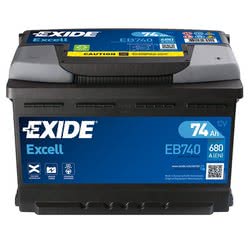
From:
86.40 €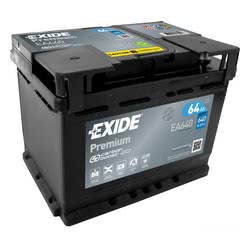
From:
117.20 €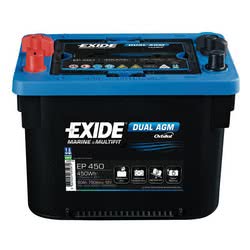
From:
243.90 €
From:
254.80 €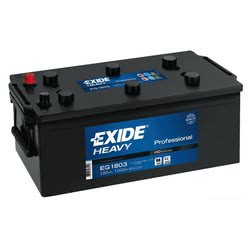
From:
219.50 €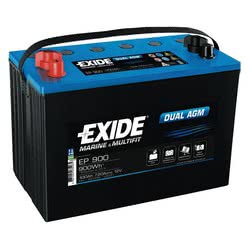
From:
404.00 €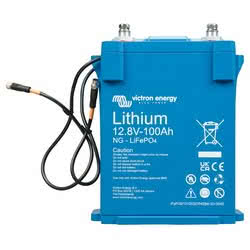
From:
279.30 €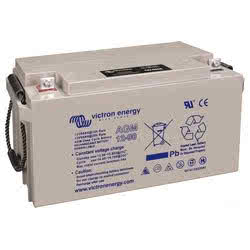
From:
268.10 €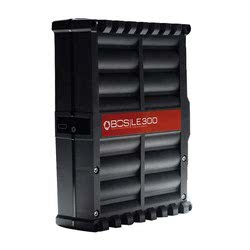
From:
891.10 €
From:
101.00 €
From:
601.00 €
From:
164.10 €Technically yes, but it's not recommended. Car batteries are designed to deliver a lot of current for short periods (starting) and are not suitable for slow, prolonged discharges like those typical of onboard services. Marine batteries, especially AGM and Lithium, are more resistant to deep discharge and corrosion.
Add up the Ampere (A) consumption of all the devices you use simultaneously (lights, pump, radio, etc.) and multiply the result by the number of hours of use. Add a safety margin of 20-30% to compensate for self-discharge and battery aging. Example: (5A + 2A + 1A) x 4 hours x 1.3 = 41.6 Ah. Then choose a battery of at least 45-50 Ah.
AGM batteries are cheaper and more robust, but have a lower energy density and a shorter lifespan than Lithium batteries. Lithium batteries are lighter, more compact, and can be almost completely discharged without damage, but they are more expensive and require a battery management system (BMS) to prevent overcharging and over-discharging.
Lithium batteries require a specific charger with a charging profile optimized for Lithium (CC/CV). Using a traditional charger for lead-acid batteries can damage the Lithium battery. Always check the manufacturer's specifications.
90% of the orders are shipped within 24H. Have a look at the availability and shipment time in the product page
We work on boating since 1982. You will find experienced and polite staff
You can choose between Paypal, Credit Card, Postepay and Transfer
We only use packaging from recycled material within our own store