
 Italiano
 English
From:
3.59 €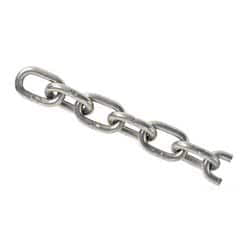
From:
2.89 €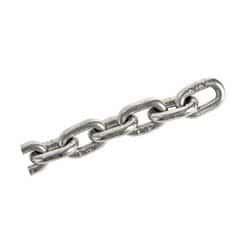
From:
12.40 €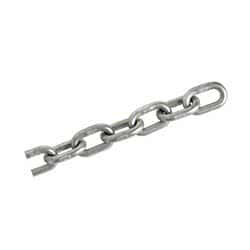
From:
3.29 €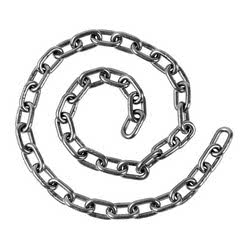
From:
39.50 €
From:
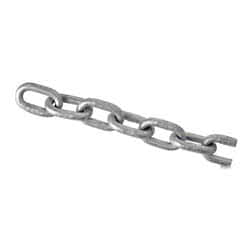
8.79 €The choice between stainless steel and galvanized chain depends on your needs and budget. Galvanized steel chains offer a good balance between cost and corrosion resistance, especially when hot-dip galvanized. AISI 316 stainless steel chains, on the other hand, guarantee superior longevity, particularly in harsh marine environments. Always ensure the chain is calibrated for proper windlass operation.
A common mistake is underestimating the chain's breaking load. Consult manufacturer tables to select a chain suitable for your boat's displacement and the typical wind and sea conditions in your cruising area. Remember that an undersized chain can fail during a storm, jeopardizing your safety.
Calibrated chain is essential for proper windlass operation. The links must have precise and consistent dimensions to mesh perfectly with the chainwheel. Non-calibrated chain can cause jams, premature windlass wear, and difficulty retrieving your anchor.
If you need to replace your chain, always verify the diameter and pitch (distance between links) required by your windlass. If in doubt, consult the manufacturer's manual or seek expert advice.
Complete your anchoring system with a snubber spring to reduce snatch loads and protect your chain and anchor.
Hot-dip galvanizing offers greater protection against corrosion than electro-galvanizing because the zinc layer is thicker and more durable. Electro-galvanizing is more economical but less durable in a marine environment.
The chain length should be at least 5-7 times the maximum depth you expect to encounter. For example, if you cruise in areas with a maximum depth of 10 meters, you will need at least 50-70 meters of chain. Also, consider the boat's displacement and typical weather conditions in your area.
It is advisable to visually inspect the condition of the chain at least once a year, checking for rust, wear, or deformation. If the chain shows signs of deterioration, it is best to replace it to avoid problems during anchoring. A more thorough inspection, with measurement of link thickness, should be performed every 3-5 years, depending on use.
Hot-dip galvanizing offers greater protection against corrosion than electro-galvanizing because the zinc layer is thicker and more durable. Electro-galvanizing is more economical but less durable in a marine environment.
The chain length should be at least 5-7 times the maximum depth you expect to encounter. For example, if you cruise in areas with a maximum depth of 10 meters, you will need at least 50-70 meters of chain. Also, consider the boat's displacement and typical weather conditions in your area.
It is advisable to visually inspect the condition of the chain at least once a year, checking for rust, wear, or deformation. If the chain shows signs of deterioration, it is best to replace it to avoid problems during anchoring. A more thorough inspection, with measurement of link thickness, should be performed every 3-5 years, depending on use.
90% of the orders are shipped within 24H. Have a look at the availability and shipment time in the product page
We work on boating since 1982. You will find experienced and polite staff
You can choose between Paypal, Credit Card, Postepay and Transfer
We only use packaging from recycled material within our own store